

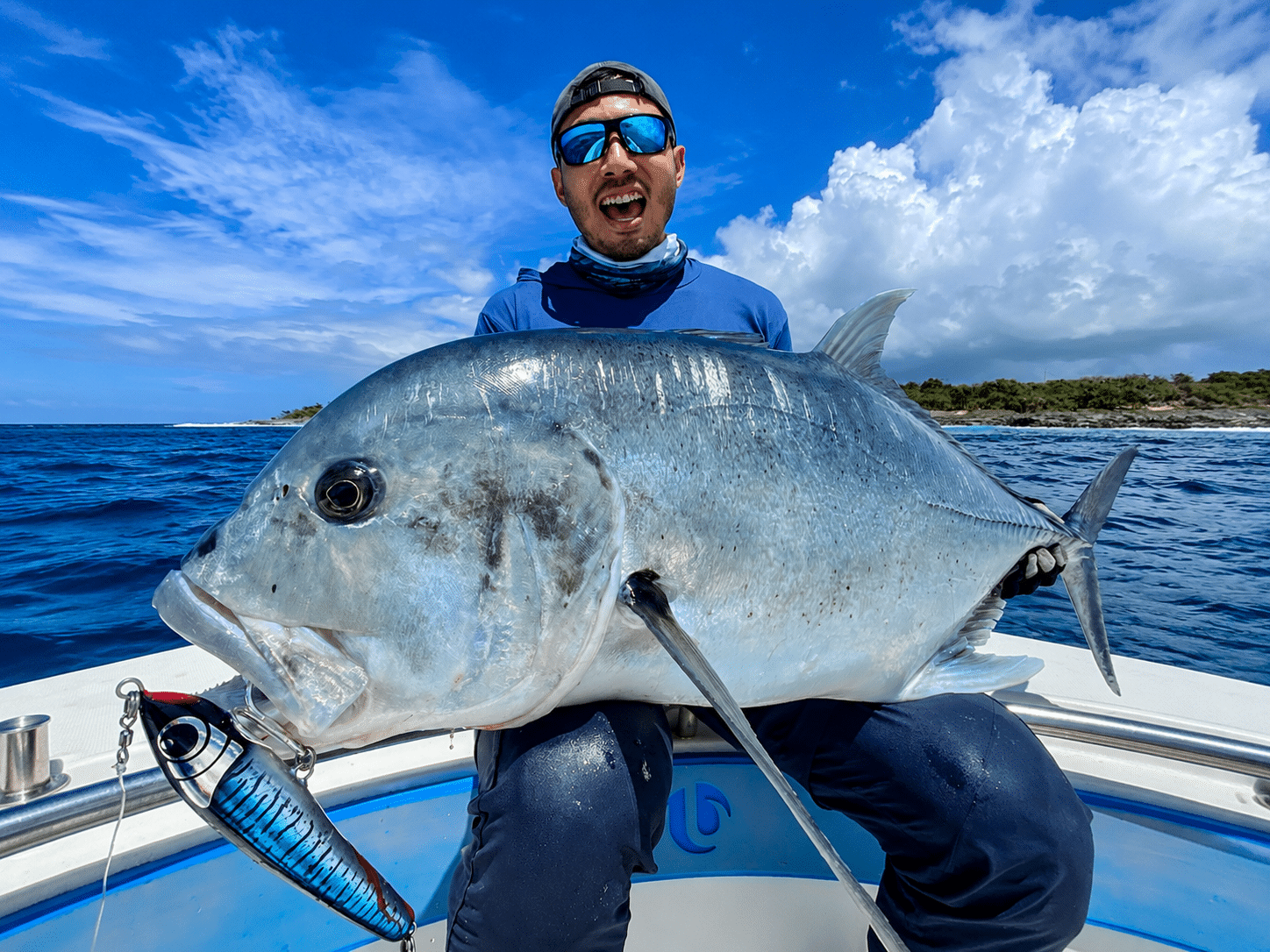
Giant Trevally fishing in Vanuatu offers an exhilarating challenge for anglers who seek both skill and reward. This powerful, aggressive species calls for targeted techniques adapted to local conditions and seasonal shifts. This guide examines their key traits, proven methods, essential gear, and environmental influences in Vanuatu. Apply these approaches to improve your odds of a successful catch while appreciating the offshore scenery, and learn about adventure packages led by experienced local guides.
Key Takeaways
- Giant Trevally in Vanuatu are strong, aggressive predators found near reefs and drop-offs, requiring targeted fishing strategies.
- These fish prefer structured habitats like rocky reefs and coral formations, shifting depth based on feeding times and tides.
- Seasonal factors, including spawning from November to March and weather conditions, influence Giant Trevally activity and feeding behavior.
- Effective fishing techniques include stickbaiting and popping, live baiting, and precision fly fishing using appropriate fly patterns.
- Optimal gear involves durable, saltwater-resistant rods, reels, and tackle suited for the powerful nature of Giant Trevally.
- Fishing success improves by aligning trips with early morning or late afternoon feeding times and prime locations like outer reefs.
- Weather impacts fish behavior and angler safety, with overcast conditions often increasing feeding activity.
- Ocean Blue offers customized fishing adventures catering to all skill levels, emphasizing expert guidance and sustainable practices.
- Adhering to catch-and-release methods and local regulations supports conservation and ensures sustainable Giant Trevally populations.
What Are the Key Characteristics of Giant Trevally in Vanuatu Waters?
Giant Trevally (Caranx ignobilis) are prized sportfish world wide for their strength and predatory behaviour. They have robust bodies, strong jaws, and prominent dorsal fins that let them power through turbulent water. They often hunt in groups near reefs and drop-offs, ambushing smaller fish. Recognising these traits helps anglers select the right tactics.
Key Habitat Factors That Influence Giant Trevally Fishing Strategies
Understanding the habitat characteristics that affect Giant Trevally (GT) behavior is crucial for crafting effective fishing strategies. Here are the key factors that impact how and where to fish for GTs in Vanuatu.
- Structured Habitats – Giant Trevally thrive in rocky reefs and coral formations, where they can readily ambush prey. Targeting these areas increases the likelihood of encounters with GTs.
- Current Patterns – Observing natural currents is essential; GTs often position themselves at current breaks and back eddies where baitfish congregate, maximizing feeding efficiency.
- Tidal Movements – Recognizing the influence of incoming and outgoing tides helps anglers identify where GTs will move to feed, as these tides can push baitfish into shallower areas, ideal times being an hour each side of the tidE change.
- Depth Changes – GTs adjust their depth throughout the day; they tend to be shallower during morning and late afternoon feeding windows while moving deeper at midday when the sun is high.
- Weather Conditions – Overcast skies often trigger heightened feeding activity; thus, fishing on such days can yield more aggressive GT behavior.
- Baitfish Activity – Scouting for signs of baitfish—such as surface disturbances and bird activity—can indicate ideal locations for targeting Giant Trevally.
“Success on the water comes from respecting the habits of the Giant Trevally, blending skill with patience and a deep understanding of their environment.”
Spike Lieberman – Ocean Blue Fishing
What Seasonal Patterns Affect Giant Trevally Behaviour?
Understanding the seasonal patterns that influence Giant Trevally (GT) behavior is essential for anglers aiming to optimize their fishing strategy. The table below outlines key seasonal factors that affect the activity and feeding behavior of GTs in Vanuatu.
The table highlights critical seasonal dynamics and their implications for Giant Trevally fishing. While the dry season from May to September is popular due to its beautiful weather and calm seas, it is actually the shoulder and peak warm months from September to April—including the spawning season—that produce the most aggressive and larger Giant Trevally topwater strikes. Cooler water during the dead of the dry season (June–August) at 24–25°C can slow the fish down or shift them deeper, which aligns with increased targeting of other species during that period.
Which Proven Fishing Techniques Are Most Effective for Catching Giant Trevally?
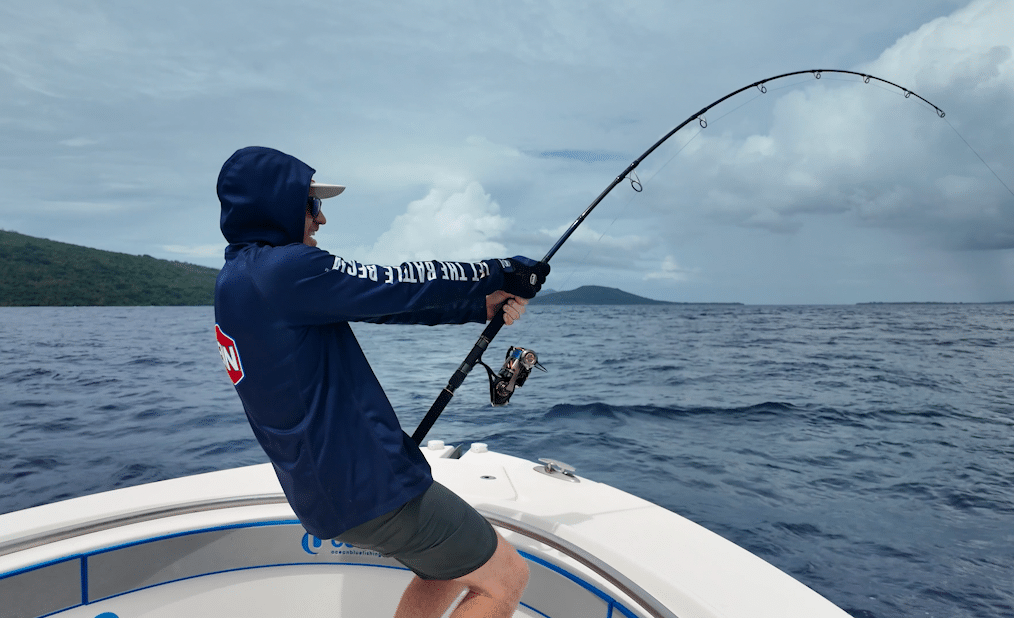
Certain methods consistently produce results against Giant Trevally. Mastering these techniques raises your catch rate and helps you respond to changing conditions on the water.
- Stickbaiting and Popping: These methods rely on mimicking the movements of prey to attract Giant Trevally. Using bright, flashy stickbaits and popping lures that imitate the natural baitfish found in their habitat increases the chances of biting. Popular choices include various sizes of stickbaits as well as topwater poppers.
- Live Baiting: Utilizing live bait such as small fish or squid can entice Giant Trevally, as they are natural predators. Properly rigging live bait enhances the presentation and makes it more appealing to the fish.
How Does Using The Right Lures Optimize Giant Trevally Catches?
Stickbaiting and popping work by provoking the trevally’s predatory response. Bright, erratic presentations—paired with adjustments to retrieval speed and action—often trigger strikes. Match lure selection to size and colour to nearby bait to identify the most effective colours and sizes on any given day.
What Gear and Equipment Are Essential for Giant Trevally Fishing Success?
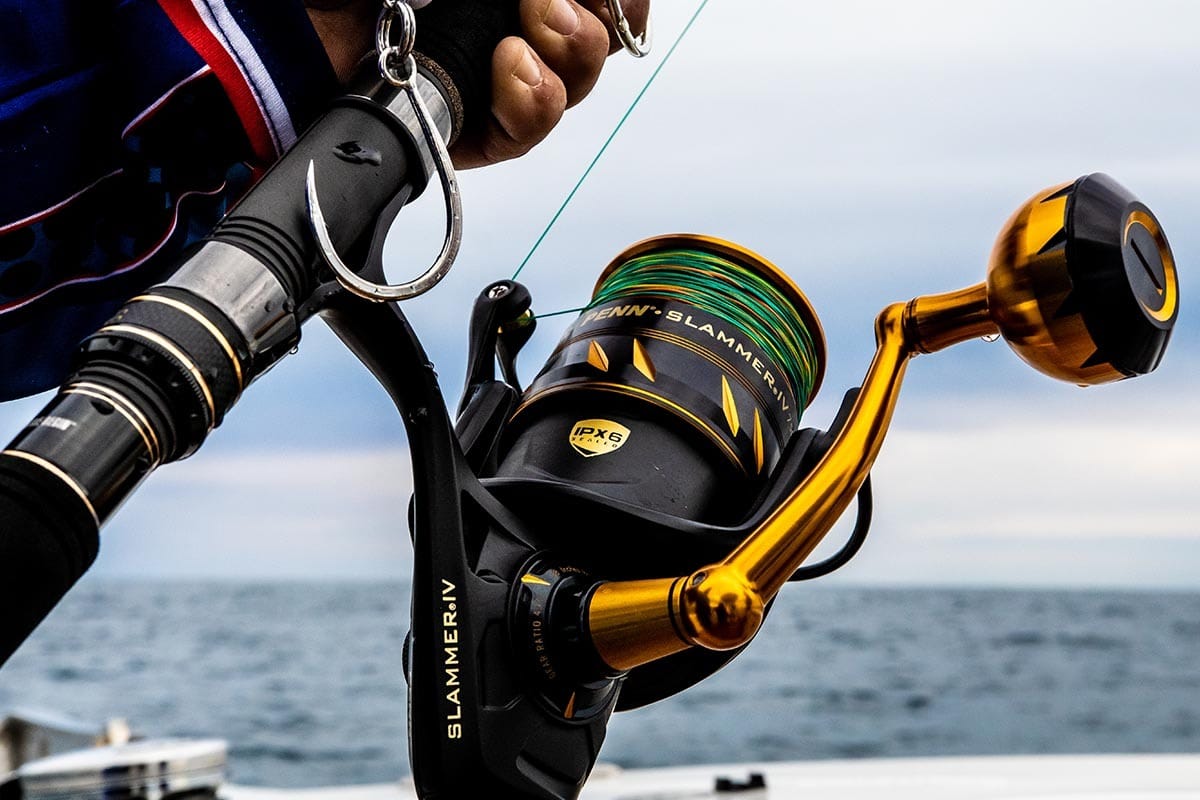
The right equipment is essential to handle Giant Trevally and the saltwater environment. Reliable, purpose-built gear reduces failures and improves your chance of landing a powerful fish.
Which Lures and Tackle Are Recommended for Targeting Giant Trevally?
A well-matched combination of a PE 10 rod paired with an 8000+ size reel is essential for Giant Trevally. Prioritise quality gear with substantial drag capacity (10kg+) to withstand the explosive power and relentless pressure these GT’s exert on your tackle. Effective lures include topwater poppers and subsurface stickbaits that reliably provoke strikes. GTs are notoriously harsh on equipment, so corrosion-resistant materials throughout your entire setup are non-negotiable to endure both the demanding saltwater environment and the punishment these apex predators deliver.
How Should Anglers Prepare Their Equipment for Vanuatu Conditions?
Prepare for Vanuatu by choosing saltwater-tough tackle—and if you’re fishing with us, know that we supply quality gear on board (you’re still welcome to bring your own favourite setups). Before each trip, check leaders, lines, knots and hooks, then give everything a quick once-over after a hard session for any wear, corrosion or damage. A simple maintenance routine like this cuts down on on-water failures and keeps you fishing confidently all week.
How Do Seasonal and Environmental Factors Impact Giant Trevally Fishing in Vanuatu?
Giant Trevally fishing in Vanuatu is influenced by season, water temperature, tides, and wind. Understanding the Vanuatu fishing seasons can help anglers identify the most productive periods for targeting GTs throughout the year. The absolute peak window for monster GTs is from September to April, spanning spring through summer, when warmer water temperatures and spawning activity produce the most aggressive GTs with spectacular topwater strikes. During this period, water temperatures rise above 26°C, triggering heightened feeding behavior.
Conversely, the cooler dry season from May to September, though favored for its calm weather, cooler air, and clear waters, features water temperatures dropping to 24–25°C during the dead of winter (June–August), which can cause GTs to slow down or move to deeper water. This season is more consistent rather than peaking for GTs and is better known as prime time for targeting other species like Wahoo, Dogtooth Tuna, and reef jigging.
Optimal fishing occurs around feeding periods in the early morning and late afternoon, especially near outer reefs and submerged structures. Observing local weather patterns and tidal cycles—particularly the hour either side of tidal changes—can enhance success. Moderate trade winds and overcast skies often increase feeding activity.
What Are the Best Times and Locations for Giant Trevally Fishing Adventures?
Peak activity usually occurs in the early morning and late afternoon, matching feeding periods. Outer reefs and submerged structures are prime locations where trevally concentrate. Observing local weather and tidal trends helps you select the windows with the best odds.
What Unique Fishing Adventure Packages Does Ocean Blue Offer for Giant Trevally Enthusiasts?
Ocean Blue Fishing Adventures offers tailored packages focused on our resident species Giant Trevally. Each trip combines expert guidance, accommodation, and quality gear supplied on board—so you can focus on learning the tactics and boosting your success chasing GTs.
How Are Ocean Blue Fishing Trips Customized for Different Skill Levels?
Ocean Blue runs fishing trips for all skill levels, from novice to experienced anglers. Custom itineraries and personalised instruction ensure each guest gains practical insight and enjoys a fulfilling fishing experience regardless of prior ability.
How Can Catch-and-Release for Giant Trevally Support Conservation?
Catch-and-release matters for Giant Trevally because they’re long-lived, hard-fighting reef predators and the bigger fish are often important breeders that help keep local populations strong. A heavy fight can leave a GT exhausted, so quick landing, careful handling, and a clean release improve recovery and survival—meaning those resident fish can keep patrolling the same reefs and channels and deliver consistent GT fishing season after season.
What Are the Best Techniques for Catching Giant Trevally?
Combine proven methods: stickbaiting and popping with bright, flashy presentations, live baiting with small bonito or flyingfish, and fly fishing with accurate casts and appropriate patterns. Vary retrieval speed and presentation until you find what triggers strikes on the day.
How Do Tidal Movements Affect Giant Trevally Fishing?
Tides shape trevally movements: rising tides often bring fish closer to shore, while falling tides may push them deeper. GT feed most an hour each side of the tide change so plan around that to use as your advantage, peak feeding times consist of around dawn and dusk, however can still be caught throughout the whole day.
What Are the Most Common Mistakes Anglers Make When Targeting Giant Trevally?
Common errors include under-rating tackle strength, failing to adapt techniques to changing conditions, and neglecting gear maintenance—particularly in saltwater. Address these points to reduce lost fish and equipment failures.
Conclusion
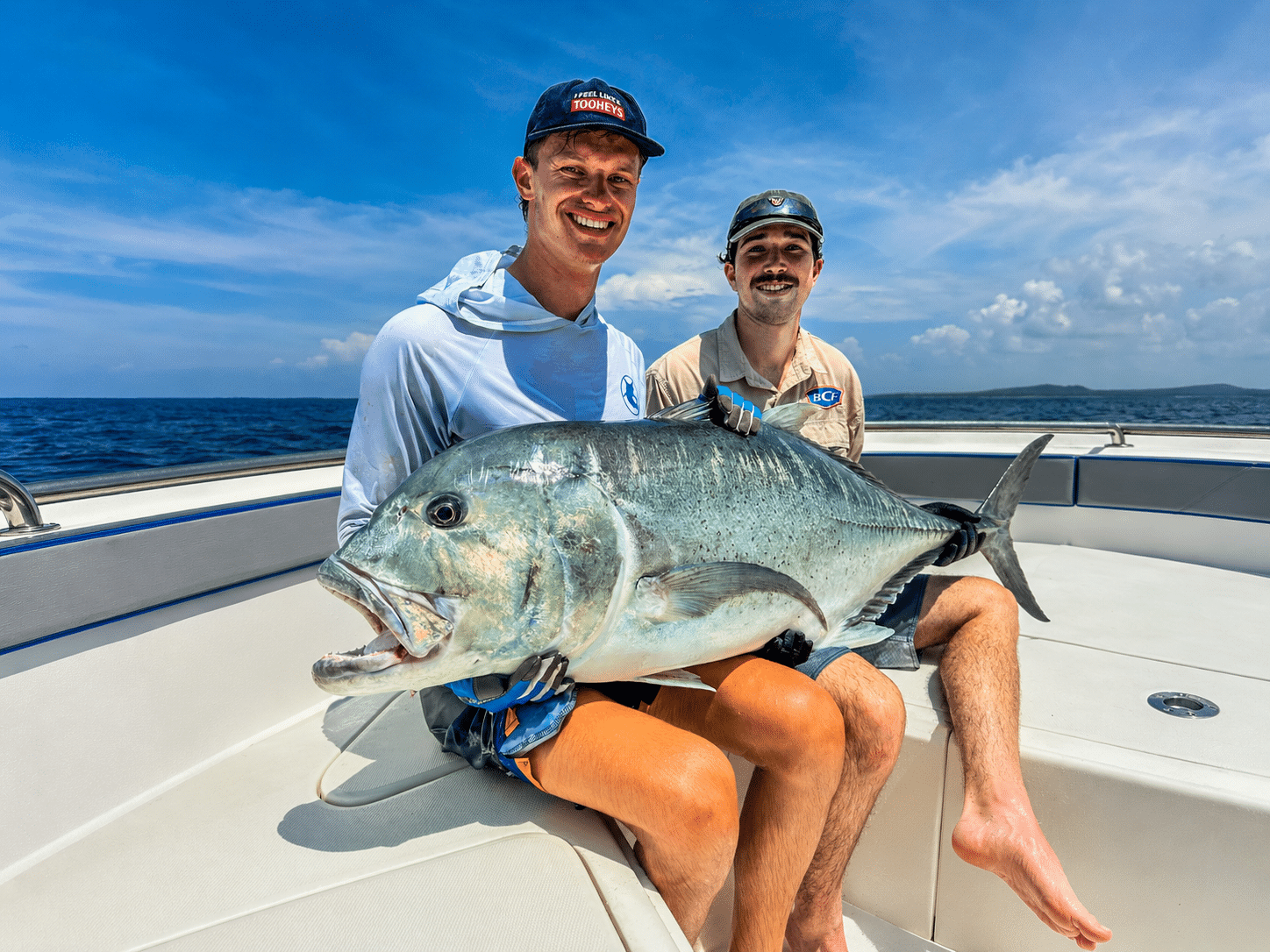
Success in Giant Trevally fishing hinges on understanding their behavior, habitat, and seasonal patterns, backed by using appropriate gear and proven techniques like stickbaiting and popping. Aligning your fishing efforts with prime feeding times and locations in Vanuatu’s vibrant marine environment enhances both chances and enjoyment. Whether you’re a novice or seasoned angler, Ocean Blue Fishing Adventures provides expert guidance and tailored experiences to elevate your skills responsibly. Embracing catch-and-release practices not only sustains healthy Giant Trevally populations but also preserves the thrill of the sport for future generations in these incredible waters.