

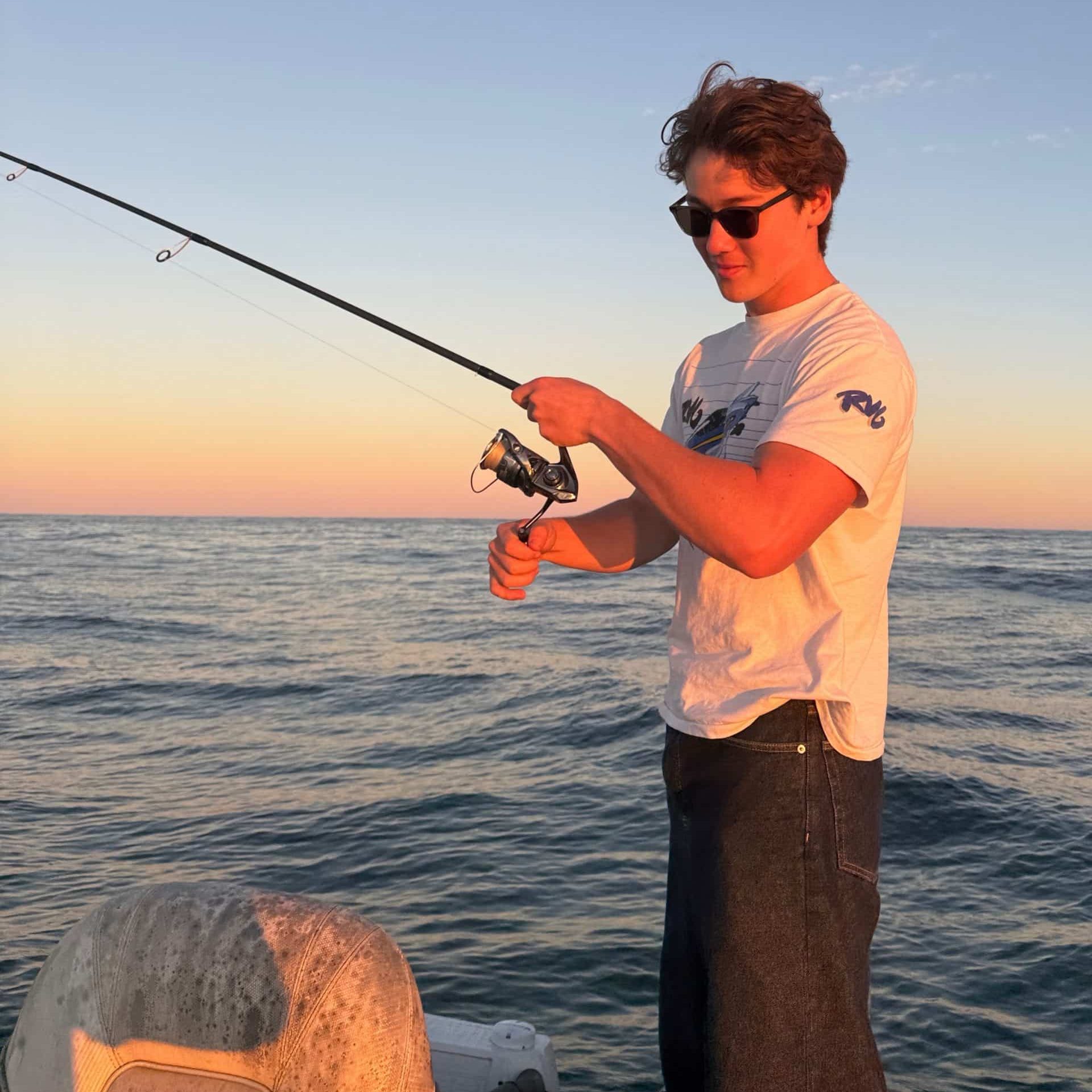
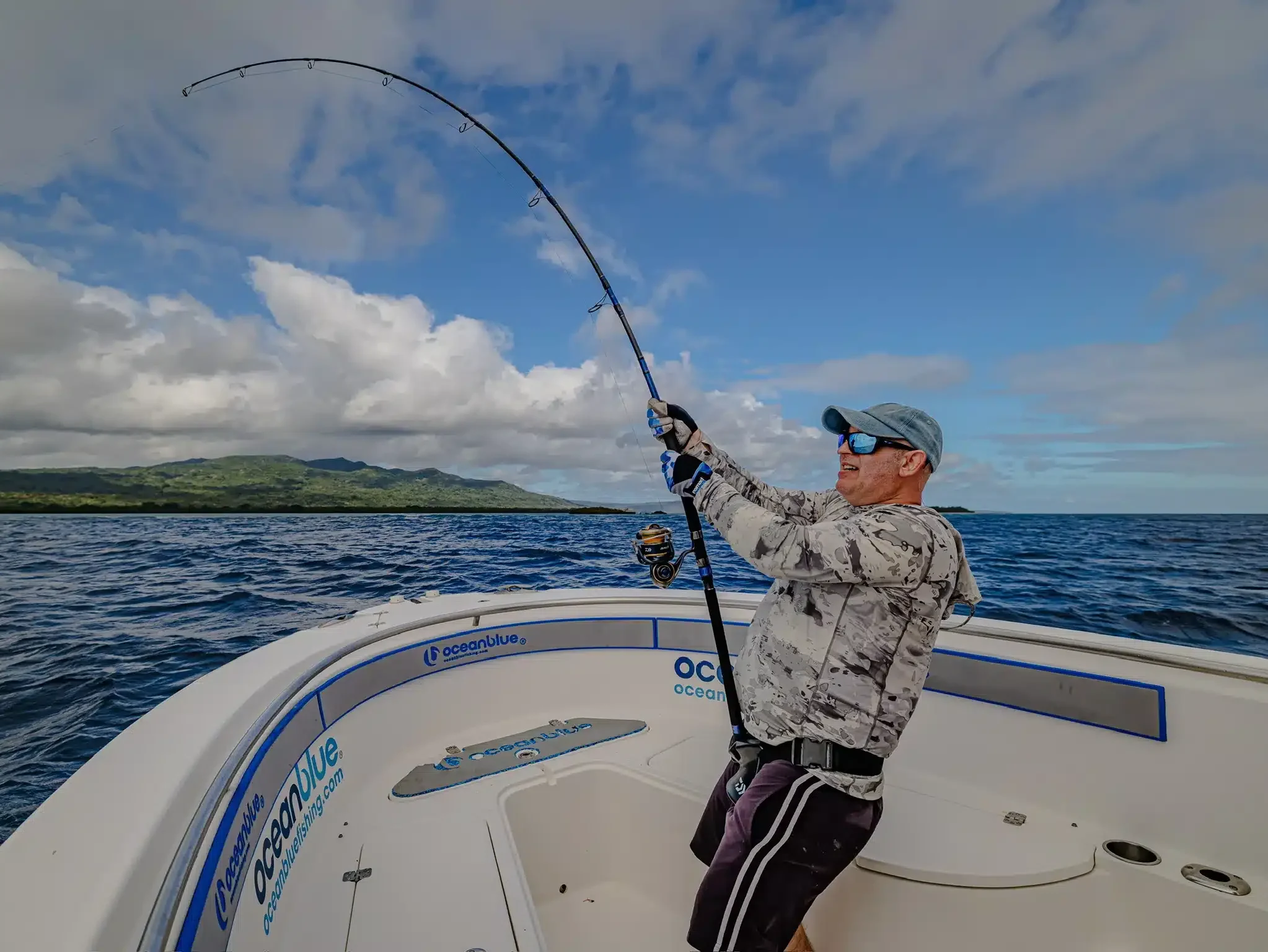
At Ocean Blue, we choose the fishing technique after reading the conditions in front of us — not simply by following a fixed plan. We look at the season, weather and sea state, wind direction, current, tides and Fish activity. We then choose whether to cast poppers or stickbaits, work jigs, troll, fish deeper water, or use live bait. This flexible approach lets us tailor each Vanuatu fishing day to the best available opportunity for our guests.
Vanuatu offers a wide range of species and fishing styles throughout the year. The value of fishing with an experienced crew is the ability to turn those changing conditions into a considered plan for the day.
Key Takeaways
What Do We Assess Before Choosing a Fishing Method?
A Vanuatu fishing day begins with a plan, but the ocean tells us how that plan should develop. We start with the species that matter most to our guests and the season they are travelling in. We then read the actual conditions: wind, sea state, current, temperature, light, tides, bait and signs of fish activity.
This is the practical side of a guided Vanuatu fishing trip. We are always looking for the opportunity that best matches the day, while keeping the experience enjoyable and relevant to the people fishing with us.
How Do Vanuatu’s Fishing Seasons Shape Our Plan?
Our published Vanuatu Fishing Seasons guide divides the year into three main periods. These seasons provide the starting point for a trip plan, particularly when guests have a bucket-list species or fishing style in mind.
Seasonal information helps guests choose dates. The on-water plan is then refined each day, because fishing conditions and fish behaviour continue to change with the weather, tides and activity we see.
How Do Wind and Sea State Affect the Way We Fish?
Wind and sea state shape the comfort of the day, the areas we work and the presentations that make sense. During the cooler period, south-east trade winds can create choppier water offshore. Our location on the leeward side of the island gives us access to more sheltered water, helping us maintain comfortable and effective fishing options. During the warmer period, conditions can include calm windows, tropical showers and more variable sea states. We use the forecast and the prevailing conditions to decide how the day should be approached.
When the Surface Is Calm and the Conditions Suit Casting
When the surface is calm and we see a suitable topwater opportunity, casting can become a key part of the day. We may use poppers for Giant Trevally, Dogtooth Tuna and Coral Trout, or use stickbaits for Yellowfin Tuna, Giant Trevally and Wahoo. A surface presentation must work with the wind and sea state. The crew will select the appropriate outfit and help guests work the lure in a way that suits the conditions and target species.
When Wind or Sea State Calls for a Different Approach
Changing wind and sea conditions can make a different presentation more appropriate. In those circumstances, we may work more protected reef-edge or channel water, use trolling as part of the blue-water plan, or fish deeper with jigging. The decision is based on making the most of the conditions available at the time. The goal is simple: choose a method that can be presented effectively and gives guests the best fishing experience for the day.

“The ocean tells you which technique to use — our job is simply to listen and adapt.”
Spike Lieberman, Ocean Blue Fishing
What Do Current, Bait and Bird Activity Tell Us?
Current influences where bait gathers and where predators can feed. Our weather guide explains that stronger trade winds can mix water and create current lines that concentrate bait and predators.
When we see a current line, bait activity, surface disturbances or birds working, it can help us understand where the next opportunity may develop. Our GT guide identifies baitfish signs, surface disturbances and bird activity as useful indicators when targeting Giant Trevally around reef structure.
We use these signs as part of the wider picture, rather than relying on any one signal. Conditions change, and the crew continues to read what the water is showing us as the day develops.
How Do Tides and Light Affect the Fishing?
Tides and light can influence where fish hold and how actively they feed. Ocean Blue’s Giant Trevally guide explains that GTs can move shallower during low-light periods and tidal changes, while brighter daylight can see them holding deeper. The same guide highlights the value of watching both incoming and outgoing tidal movements. Our weather guidance also notes that warmer-period surface activity can increase during low light and tidal shifts, while some bait and predators may hold deeper during bright daylight.
Low Light and Tidal Change
When the light is lower or a tide change creates the right conditions, surface-focused techniques may become appropriate. We may be looking for topwater chances with poppers or stickbaits, particularly around reef edges and structure where the fish are showing activity.
Bright Daylight and Deeper Fish
When fish are holding deeper, we can change the plan and use jigging or fishing deeper water. Our gear range includes light, medium and heavy jigging setups, plus a dedicated PE8–10 deeper-water combination, allowing us to adapt as the opportunity changes.
This ability to change approach helps us keep a Vanuatu fishing day varied and responsive. Guests do not need to arrive knowing exactly which method will be best; that is the decision we make on the water together.
How Do Reef Edges, Drop-Offs and Deeper Water Change the Technique?
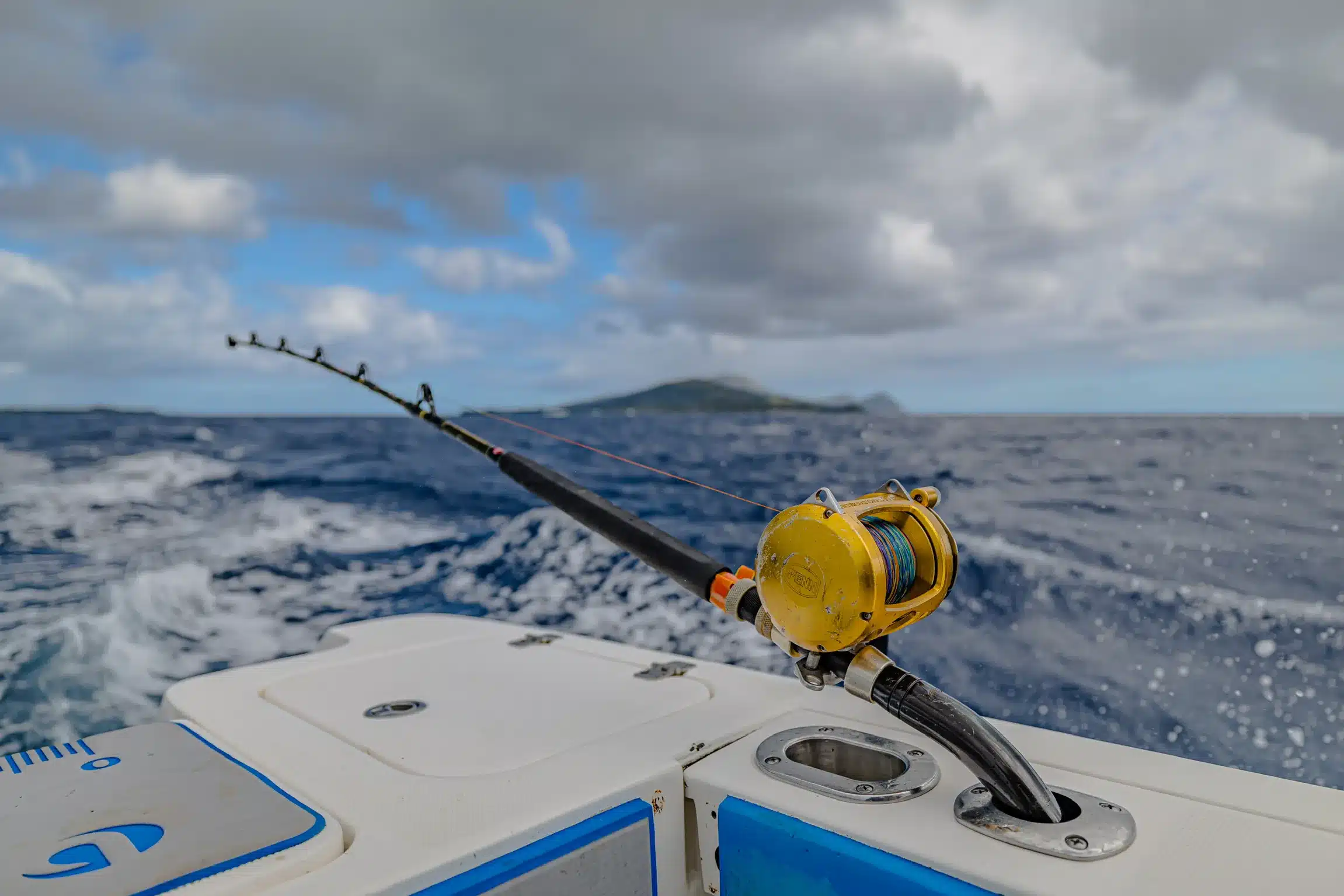
The waters we fish in Vanuatu give us access to reef edges, channels, deeper structure and blue water. Ocean Blue’s Fishing in Vanuatu guidance identifies deep-water canyons close to shore as a characteristic of the fishery, while our broader program includes topwater casting, jigging, blue-water fishing and deeper-water options.
We keep individual fishing locations private. Our focus is on choosing the area and technique that suit the fishing opportunity, rather than working from a fixed public spot list.
When Do We Choose Poppers, Stickbaits, Jigs, Trolling or Live Bait?
Each technique gives us a different way to fish the conditions we find. The following guide explains how we use the core methods described across Ocean Blue’s fishing and tackle content.
The best method is the one that suits the day. We provide the core tackle, explain the approach and help guests use it with confidence.
What Tackle Do We Provide as Conditions Change?
We carry a versatile core tackle range because a Vanuatu fishing day can require more than one method. The equipment we provide covers heavy popping, medium and light jigging, light casting, game fishing and deeper-water fishing.
We select the appropriate gear for the fishing method, guide guests through the setup and remain ready to adapt if the conditions change. Guests are welcome to discuss their preferred fishing styles with us before travelling, so we can help them prepare for the experience.
How Do We Tailor the Plan to Each Group?
Conditions are one part of the decision. The people on the boat are the other. Some guests arrive with a specific species or technique at the top of their list; others want to experience the variety of Vanuatu fishing. Some enjoy casting a heavy popper all day, while others prefer a balanced mix of fishing styles. Our Blue Water Sport Fishing Adventures are designed for different experience levels and can be tailored around the group’s style and bucket-list goals. Guests fish with experienced local guides aboard our EdgeWater 318CC Centre Console Sport Fishers, then multi-day guests return to Trees and Fishes Private Retreat between fishing days.
We use that flexibility to create a plan that feels right for the group. The season provides the broad picture, the conditions guide the day, and your interests help us decide where to focus the fishing time.
Frequently Asked Questions About Vanuatu Fishing Conditions
We start with the season and your target species, then read the daily weather, sea state, wind, current, tide, light, bait and fish activity. We select the technique that best fits the opportunity, whether that is casting, jigging, trolling, fishing deeper water or live baiting.
Wind and sea state influence how we plan the day. During the cooler months, south-east trade winds can create choppier offshore conditions, while our leeward location gives us access to more protected water. We use the conditions available to select the most suitable fishing areas and techniques.
We may use a popper when the day calls for a strong surface presentation for species such as Giant Trevally, Dogtooth Tuna and Coral Trout. We may choose a stickbait when its baitfish-style presentation suits the opportunity for Yellowfin Tuna, Giant Trevally or Wahoo. The crew makes the final choice from the conditions and fish activity we see.
We change approach when the fish are holding deeper or when jigging is the better way to work the structure and water column in front of us. Our boats carry light, medium and heavy jigging setups so we can adapt when the opportunity changes.
Yes. Ocean Blue’s GT fishing guide explains that tides influence fish movement and feeding activity around structure, while tidal changes and light conditions can shape when fish move shallower or hold deeper. We incorporate those signals into the day’s fishing decisions.
Yes. We provide the core gear, explain the fishing method in use and select a practical approach for the group. Our Vanuatu fishing adventures are designed for first-time anglers and experienced guests alike.
Fish Vanuatu With a Crew That Reads the Day
The conditions in Vanuatu are part of what makes every fishing day different. Wind, water movement, tides, light, bait and structure can all influence the best opportunity — and our job is to read those signals and choose the fishing method that makes the most sense for you. Tell us the species and fishing styles you want to experience. We will help plan a Vanuatu fishing adventure around the season, your goals and the best opportunities the ocean provides while you are fishing with us. Explore our Vanuatu Blue Water Sport Fishing Adventures and request a tailored trip plan.
Conclusion
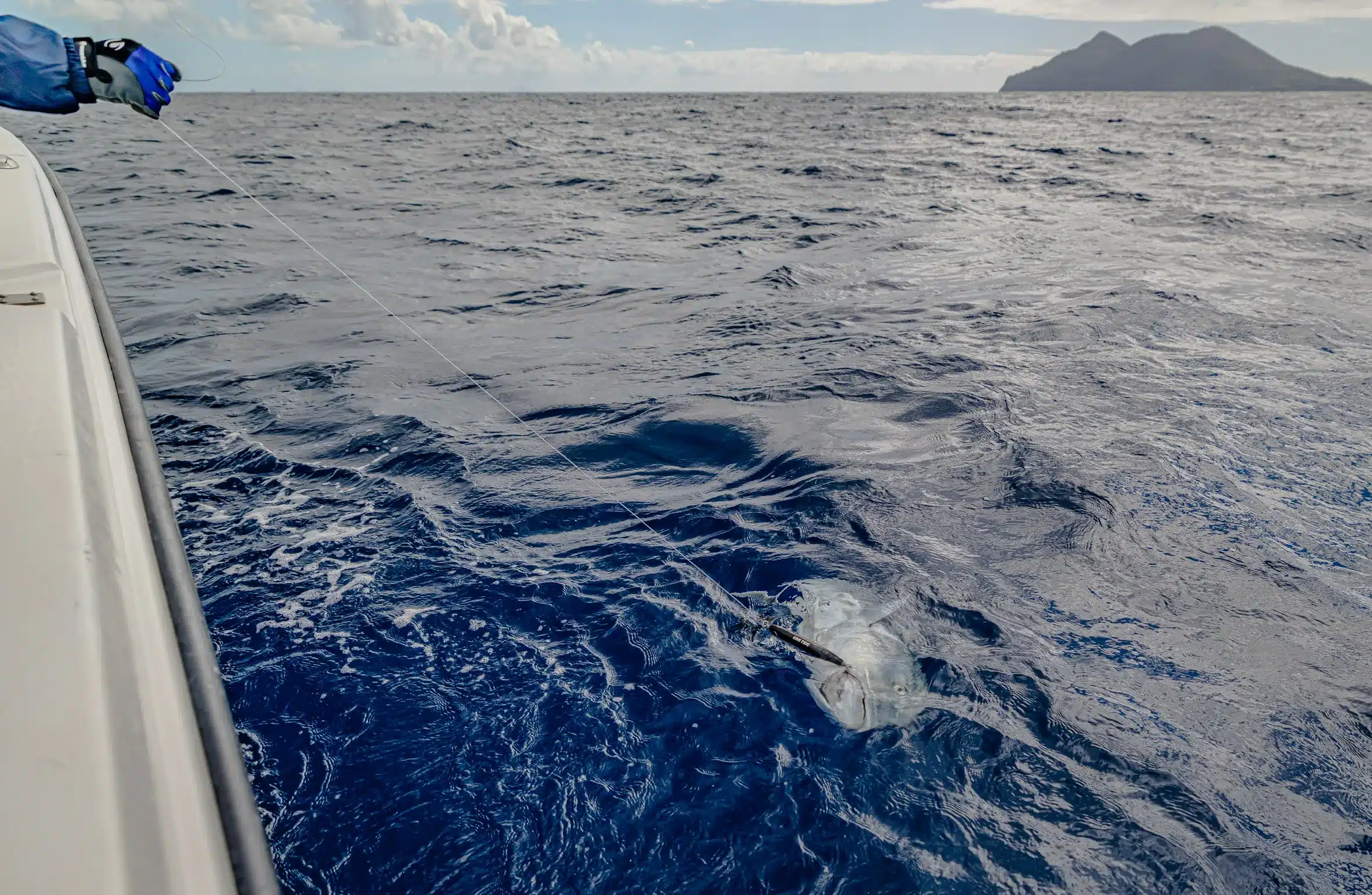
In closing, Vanuatu adventure fishing rewards those who arrive prepared for both the thrill of the chase and the rhythm of island life. Expect long days on blue water, moments of intense action chasing pelagic species, and evenings spent unwinding in genuine island hospitality. Our team draws on decades of local knowledge to shape each itinerary around your goals, blending serious sport fishing with authentic culture. The result is an adventure that satisfies the angler while honoring the spirit of Vanuatu itself.