

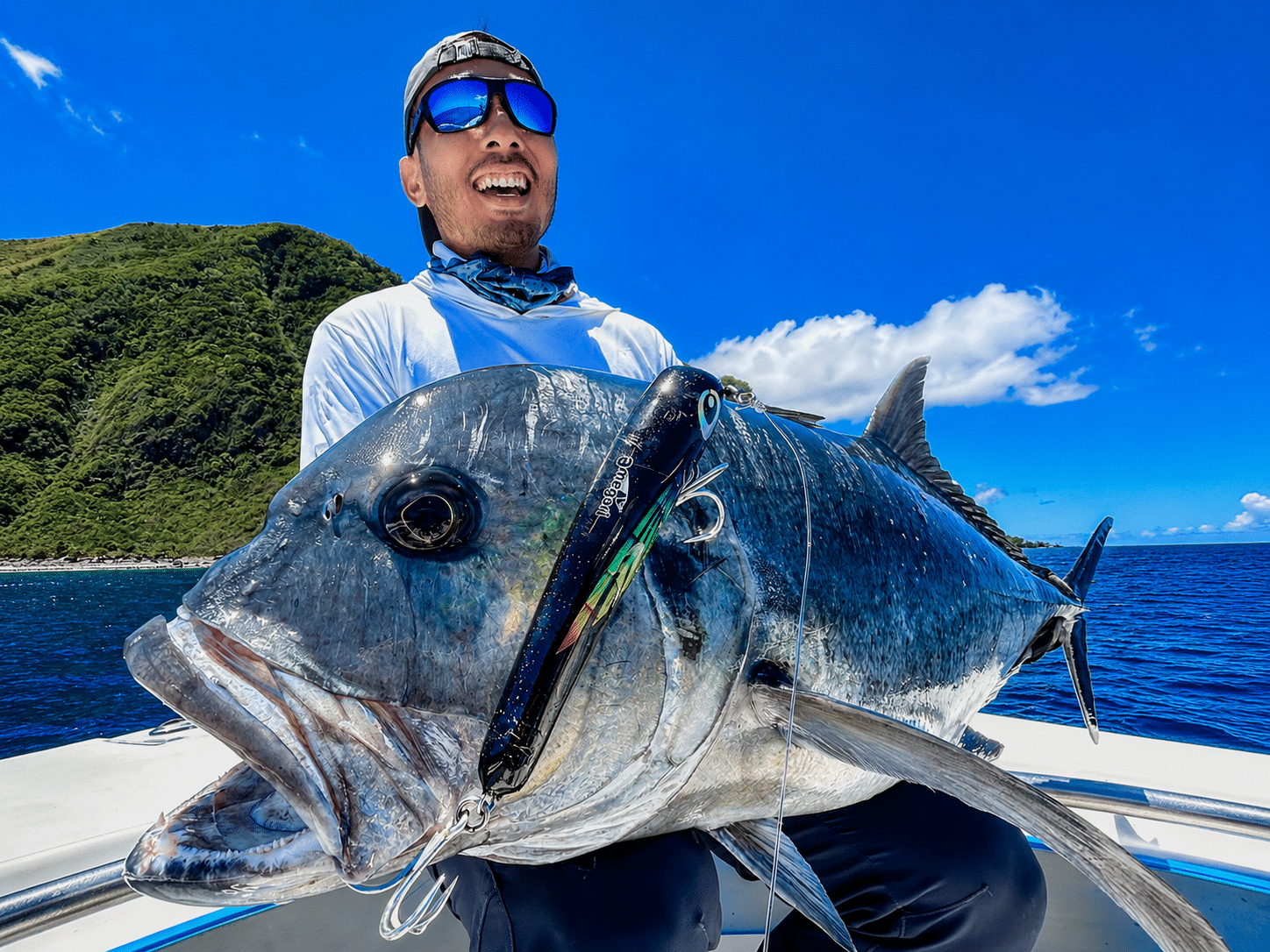
If you are bringing personal lures on an Ocean Blue fishing trip in Vanuatu, we recommend building your selection around three essential lure families: cup-face poppers for surface disturbance, floating or sinking stickbaits for a baitfish presentation, and heavy metal jigs for fish holding deep. Your hooks, split rings, leader and braid matter just as much as the lure itself: they need to match the power of the fish and the reef structure you may encounter.
We equip our boats with the core gear you need to fish. This guide is for guests who enjoy fishing their own lures and want to bring a carefully chosen, Vanuatu-ready selection. Before you travel, let us know that you are bringing personal lures. Our guides will be happy to discuss your preferred fishing styles, target species and the current conditions likely to shape your trip.
Our rule for Vanuatu: bring fewer lure types, but bring proven models in several actions and carry spare terminal tackle. If one lure is lost or damaged, you should still have an effective option for that fishing scenario.
Key Takeaways
What We Include on Our Vanuatu Fishing Trips
We design every Ocean Blue experience so that guests can arrive ready to fish. Our private day charters operate from Trees and Fishes Private Retreat and are available in flexible 4-, 6- or 8-hour formats. Your group has the boat to yourselves, with our crew, top-quality boat and fishing gear, plus our local knowledge guiding the day.
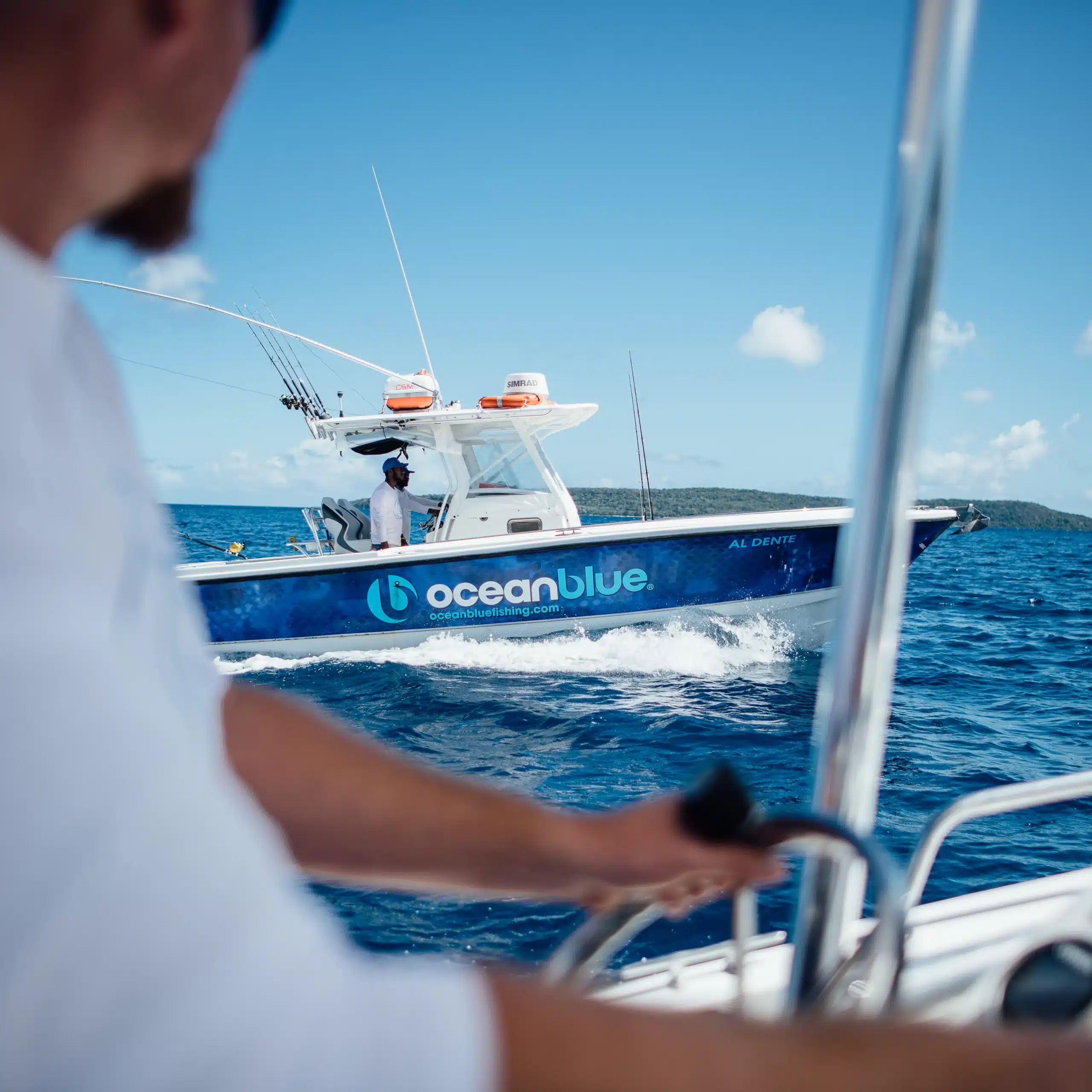
Our fleet comprises U.S.-built EdgeWater 318CC Centre Console Sport Fishers. Each vessel carries up to five anglers, is powered by twin 300 hp Mercury Sea Pro outboards, and is set up with generous rod-holder and tackle-storage capacity.
The following table reflects the core gear range published in our Vanuatu tackle guide. It shows the charter setups we have available across topwater, jigging, light casting, trolling and deep-drop applications.
We provide the boat, crew, core rod-and-reel setups and the local knowledge to make the most of the day. Guests who bring personal lures, jigs or terminal tackle can fish them alongside our gear, with our crew helping choose the most suitable action, size and presentation for the conditions.
Lure arrangements can vary by trip and current inventory, so please confirm your preferred personal-lure plan with us before departure. That conversation lets us help you pack efficiently and ensures that your favourite lures suit the techniques we expect to use.
What Lures Do We Recommend You Bring to Vanuatu?
For guests bringing a personal lure pack, we recommend covering surface disturbance, subtle baitfish action and vertical deep-water work. The exact lure we ask you to cast will change with the current, wind, bait, depth and species we encounter. We read those factors on the day and select the best starting option together.
We have found that variety in lure action matters more than carrying many colours or duplicates of one style. Our published Vanuatu tackle guide identifies poppers, stickbaits and jigs as our core lure families, while our crew’s recent guidance distinguishes the surface conditions in which we reach for poppers or stickbaits.
Which Poppers Do We Recommend for Vanuatu?
A popper is a surface lure with a cupped face that creates splash, noise and a bubble trail. We reach for it when we want to make a strong surface signal — especially around reef edges, current lines, FADs and wind-textured water. Our current lure-selection guidance is simple: we use poppers when the wind is up and the ocean is messy.
The models below are personal-lure options that our team has previously published as useful choices for tropical topwater fishing. They are examples of lure actions and build styles we trust; the best option on the day remains the one that suits the conditions and the fish’s behaviour.
How Large Should My GT Poppers Be?
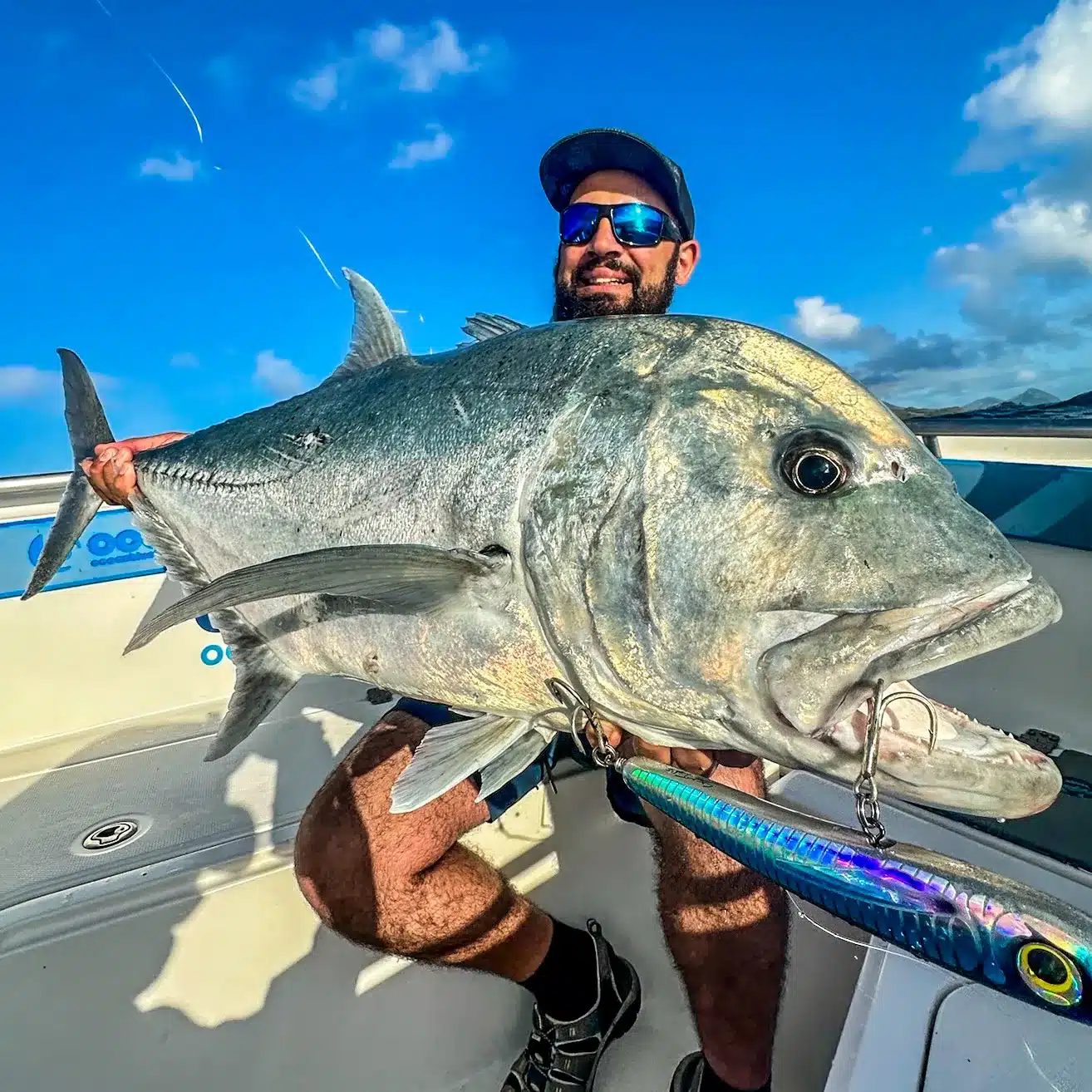
When we target GTs, we often use poppers 15–25 cm long. This is a practical packing range, rather than a rule that a larger lure will always catch more fish. We suggest bringing models your rod can cast confidently, across a mix of profiles, then letting our crew decide whether the day calls for the compact end or the large-profile end of the range.
When Do We Use a Popper Instead of a Stickbait?
We use a popper when we need maximum visual and acoustic disturbance. Its cupped face can call fish up in wind or surface chop, helping the lure stand out against the natural noise of the water.
We use a stickbait when the water is calm, fish are following without committing, or we want a more baitfish-like presentation. The lower resistance of a stickbait also makes it easier to cast and work for extended periods. Our published tackle guide notes this reduced physical demand, and our current guidance is to favour stickbaits in calm water.
Bring both styles. A strong personal kit includes one or two loud poppers, a fast surface-skipping stickbait, a glide-style stickbait and a sinking option. That variety gives us effective choices when conditions change.
“A well-rigged lure only matters if the hardware behind it can take the strain — that’s what turns a good cast into a fish on the deck.”
Spike Lieberman, Ocean Blue Fishing
Which Stickbaits Do We Recommend You Bring?
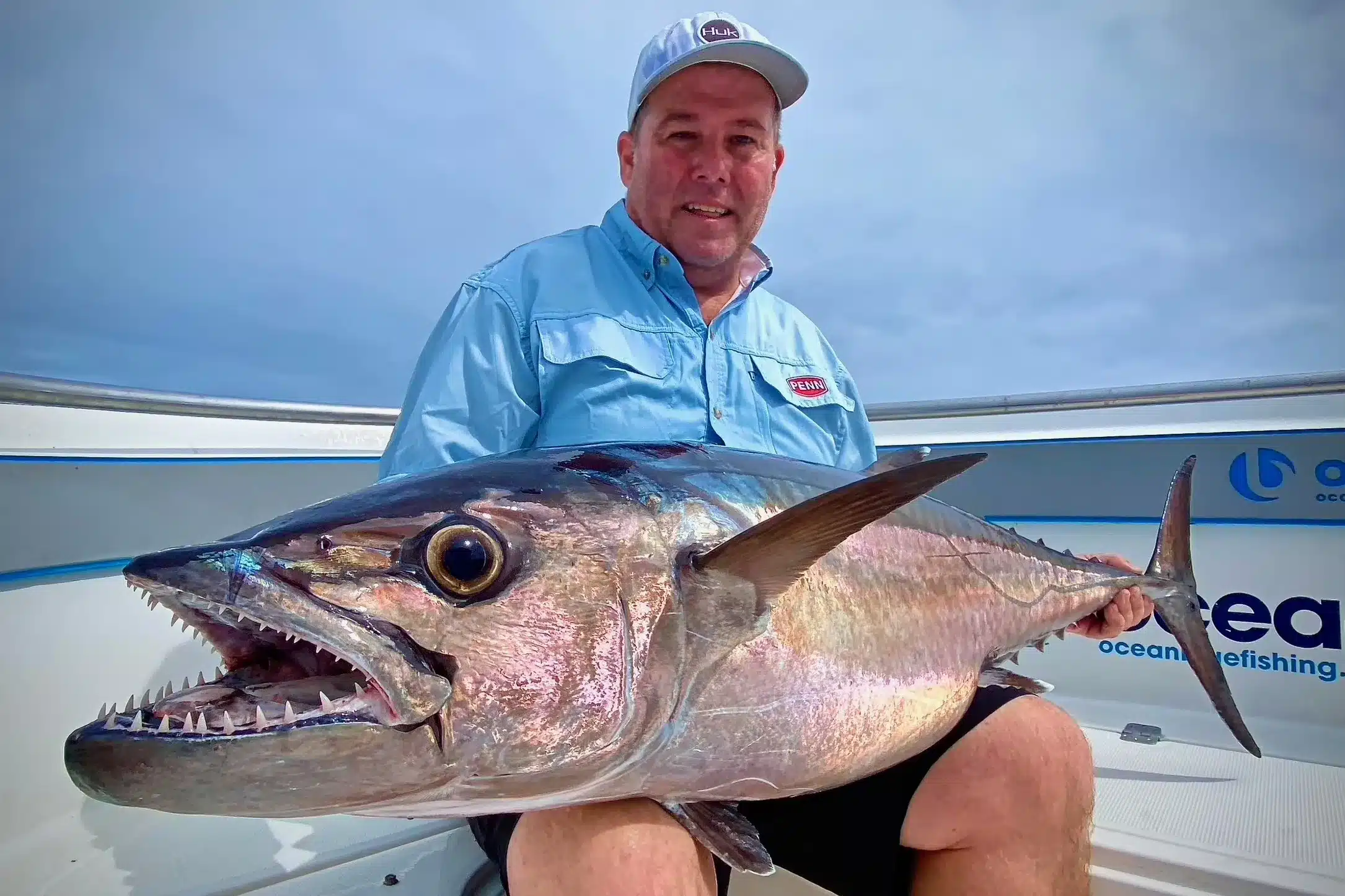
We use stickbaits to imitate baitfish that are fleeing, injured or disoriented. Depending on their design, they can be floated, skipped, swept or allowed to sink. In our Vanuatu tackle guide, we identify stickbaits as an important option for yellowfin tuna, GTs and wahoo.
What Stickbait Colours Do We Recommend?
We treat colour as secondary to lure action, profile, hardware strength and the conditions on the day. Bring a small mix of natural baitfish finishes plus one or two high-contrast options in lures you’ll genuinely cast. When you arrive, show us your lures and we’ll recommend the best starting picks based on the bait, water clarity and that week’s weather.
Vanuatu’s reef shallows are often exceptionally clear, which means fish can track and inspect a lure for longer in skinny, sun-lit water. In these conditions we lean toward natural, translucent finishes that match local baitfish—silver, pilchard, ghost/clear and blue-green baitfish patterns—especially for poppers and stickbaits worked over reef flats.
We still carry a smaller number of brighter or high-contrast finishes for overcast days, low light, deeper water, or when we need the lure to stand out against a busy reef backdrop. Pack a few “water-clear” natural options alongside your usual selection, and we’ll help you choose the right finish for the water in front of us on the day.
For our heavy jigging application, the published baseline is a PE8 rod, 100 lb braid and 200 lb monofilament leader. This is a serious setup designed for the first, critical seconds of a dogtooth tuna fight around reef structure.
Should You Pack Trolling Lures for Wahoo and Tuna?
Guests who enjoy trolling personal favourites are welcome to bring a small, considered selection. We set the trolling spread and will advise whether your lure is suited to the day’s trolling speed, lure position and target species.
A practical hard-body option is the Halco Laser Pro 190, available in several diving-depth versions and built as a bluewater trolling plug. A crew-approved skirted lure can also be a valuable addition. Ask us about your preferred trolling lures before you buy a full spread, because the most appropriate profile and colour depends on the fishing season and the species we are targeting.
How Do We Recommend Rigging Poppers and Stickbaits for Vanuatu GT Fishing?
A premium lure is only as strong as its terminal connection. Around reef structure, a weak split ring, hook or leader can fail during the first hard run — the moment when reliability matters most.
The following hardware represents our published heavy-topwater baseline.
Factory hardware is a useful starting point. Before changing it, consider the lure’s intended balance, the manufacturer’s recommendations and our crew’s guidance. A hardware change can alter the action of a lure, so we recommend testing every re-rigged lure beside the boat before putting it into a serious casting session.
What Is the Best Personal Lure Pack for a First Ocean Blue Trip?
For a first trip, an intentionally varied kit is more useful than a huge tackle bag. A compact selection is easier to travel with, easier to organise on deck and more likely to be used well.
For most guests, the smartest first spend is high-quality terminal tackle and spare hardware, followed by a few proven lure actions. A Malosi Staple Tyrant or Halco Roosta, a GT Ice Cream or Shimano Ocea Head Dip Pencil, a Siren Deep Seductress 155 and several substantial metal jigs provide a more complete foundation than a large collection of untested duplicates.
Frequently Asked Questions
Yes. We provide the core charter rod-and-reel setups, boat, professional crew and local guidance needed for the fishing program. Personal lures, jigs, hooks and terminal tackle are optional additions for guests who enjoy using their own preferred gear. Please contact us before your trip to confirm the current onboard lure arrangements and discuss your personal tackle plan.
The best popper changes with the conditions, so we recommend bringing complementary options. A strong starting point includes an easy-to-work Nomad Chug Norris, plus a larger-disturbance option such as a Malosi Staple Tyrant, Cast Ptyd or West Coast Lollypop. We will help you select the best starting lure based on wind, sea state, bait and fish behaviour.
Bring both. We favour poppers for stronger surface disturbance in windier or rougher conditions, while stickbaits are useful in calm water or when a natural baitfish-style presentation is required. The complementary actions are more valuable than carrying many examples of one style.
A useful personal selection includes several 300–400 g metal jigs for deep-water work. The exact weight depends on depth and current, so our guides will help you choose the right jig before each drift. Our published heavy-jigging setup uses PE8, 100 lb braid and a 200 lb monofilament leader.
Yes. Pack lures and terminal tackle securely in checked baggage, with hooks protected in hard cases or lure rolls, and check your airline’s current baggage rules before travelling. For the full clothing and travel-preparation list, read our Vanuatu Fishing Holiday Packing Checklist.
Bring the Lures You Love — and Fish Them With Us
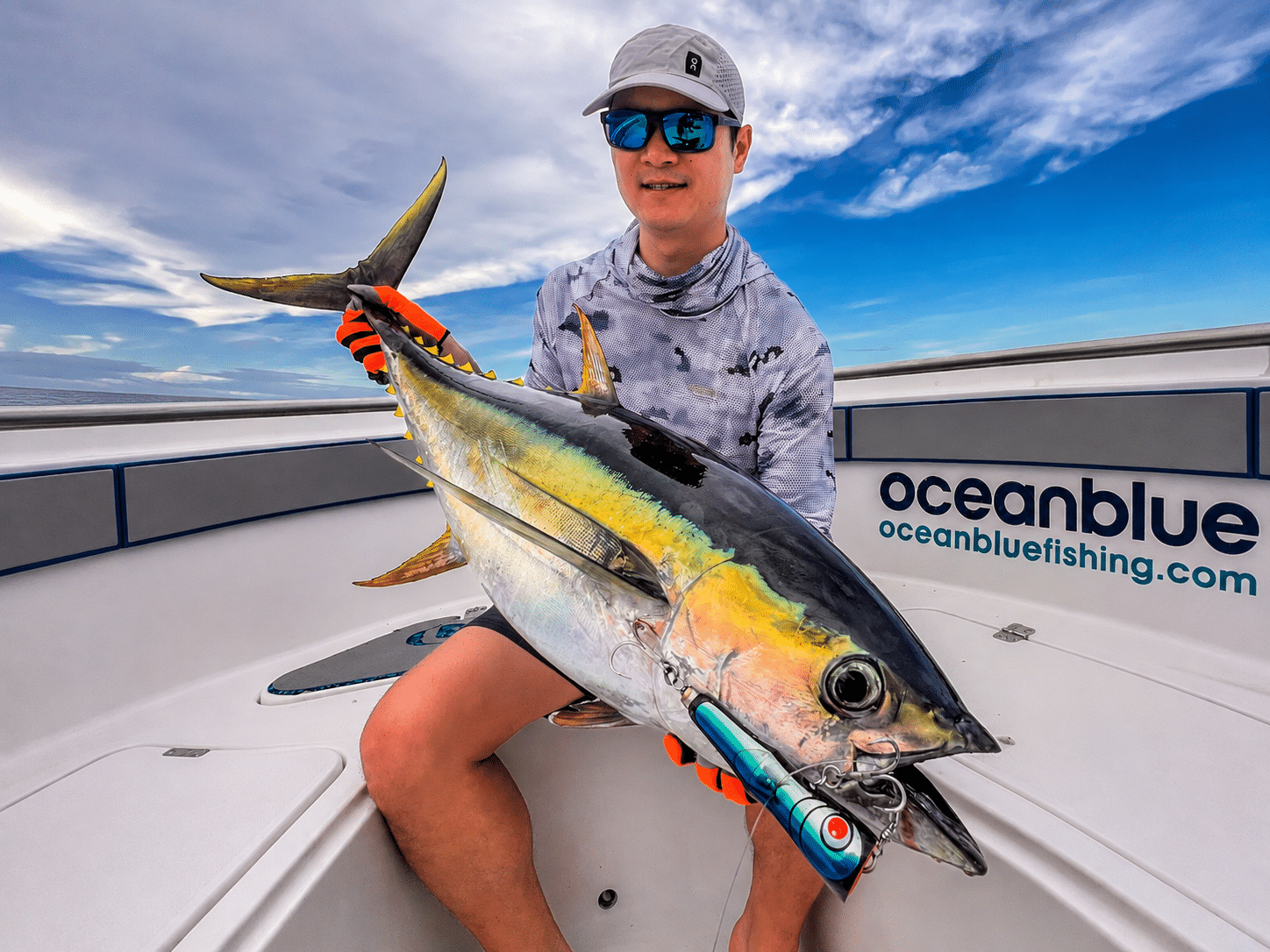
Vanuatu gives us the ability to cast a personal topwater lure over a reef edge in the morning, drop a heavy jig into deep water later in the day and adjust the program to what the ocean is doing.
Bring durable, proven lures; rig them with terminal tackle designed for the job; and bring more than one action. When you arrive, show us what you have packed. We will help you select the right lure, size and presentation for the conditions and the species we are chasing that day.
Explore our Vanuatu fishing adventures and speak with us about your preferred tackle setup.