

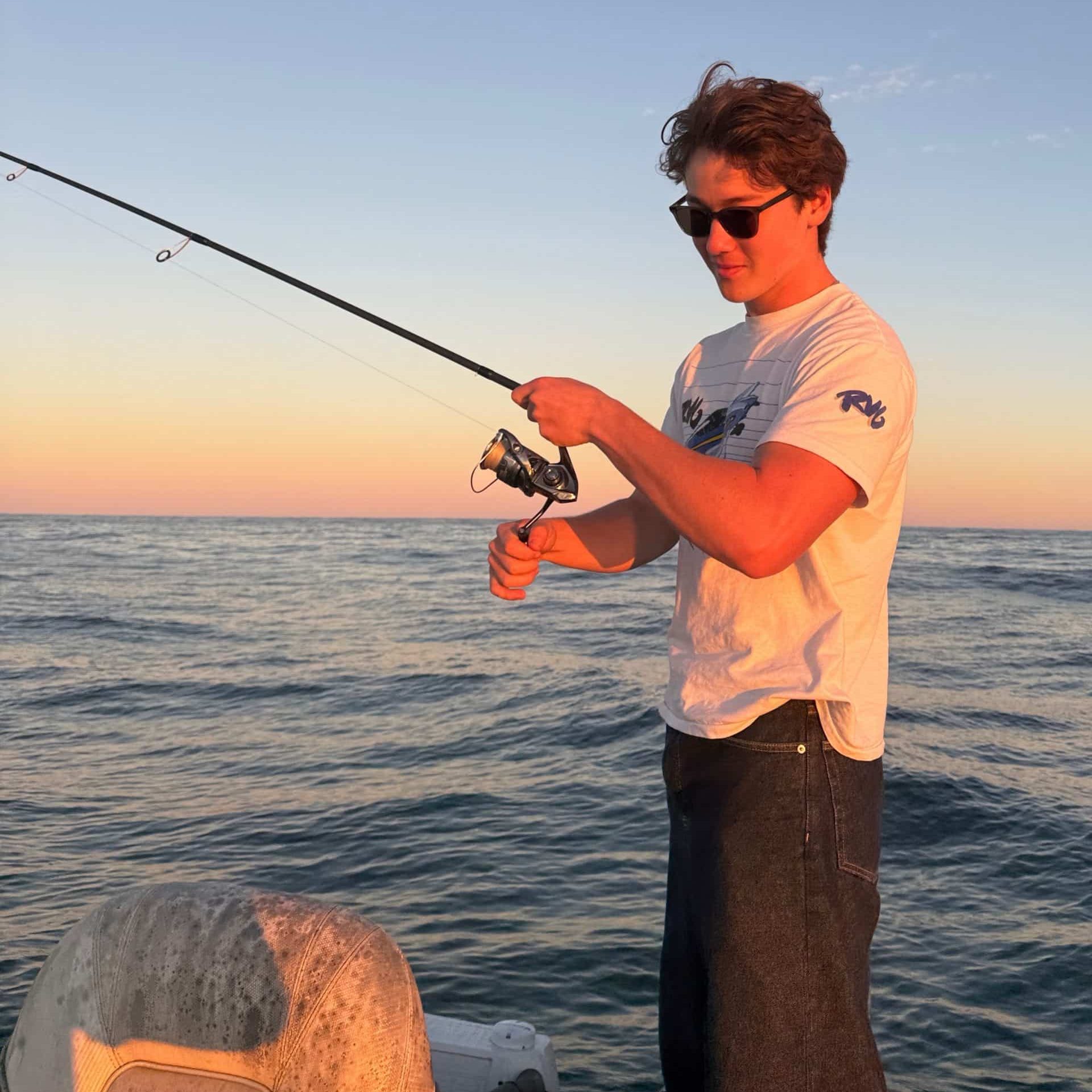
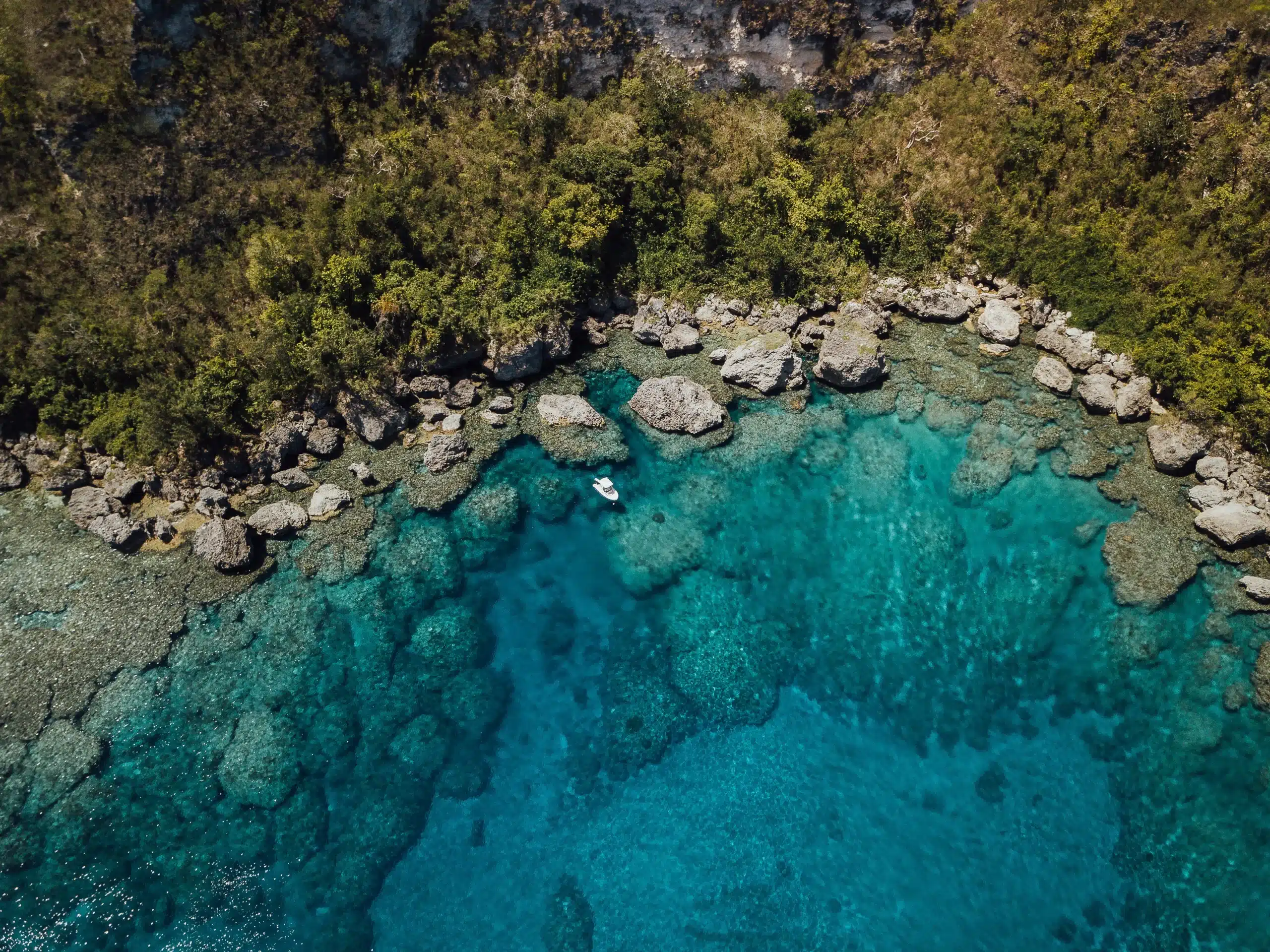
Vanuatu offers a diverse mix of reef and pelagic species — wahoo, yellowfin tuna, mahi-mahi, marlin, giant trevally (GT), and dogtooth tuna — with the GT and dogtooth fishery built around dramatic volcanic structure and blue marlin fishing generally strongest December through April/May. Fiji is well known for its offshore game fishing, particularly wahoo, marlin, yellowfin tuna and mahi-mahi, backed by an established charter fleet and its own giant trevally and dogtooth tuna fishery. Both destinations offer strong sport-fishing conditions, and anglers often choose between them based on which species mix and travel logistics suit their trip best. Ocean Blue Fishing Adventures, based at Port Havannah on Efate, specialises in guided sport-fishing experiences in Vanuatu.
Key Takeaways
- Vanuatu offers fishing opportunities across the year for mahi-mahi, wahoo, yellowfin tuna, marlin, giant trevally, and dogtooth tuna, with some species stronger in certain seasons than others.
- Blue marlin fishing is generally strongest December to April/May in Vanuatu during the warmer summer months, when baitballs tend to draw marlin and tuna activity.
- Vanuatu’s volcanic drop-offs and deep-water structure have earned it a strong reputation among anglers targeting giant trevally and dogtooth tuna.
- Ocean Blue Fishing Adventures operates guided fishing charters from Port Havannah, Efate, Vanuatu.
What Is the Difference Between Vanuatu and Fiji for Sport Fishing?
Both Vanuatu and Fiji are well-established Pacific sport-fishing destinations, drawing anglers from Australia, New Zealand, and further afield. Each offers strong blue-water fishing, but the species mix and fishing style differ enough to matter when planning a trip.
Vanuatu offers good variety: marlin, wahoo, mahi-mahi, and tuna turn up regularly across its blue-water grounds, and the same volcanic topography also holds productive dogtooth tuna and giant trevally structure — a single charter can produce more than one target species in a day, conditions permitting.
Fiji has built a strong reputation for offshore trolling, with wahoo, marlin, and mahi-mahi among its more consistent targets, plus a giant trevally and dogtooth tuna fishery for anglers who enjoy popping and jigging — though many specialists favour Vanuatu’s volcanic drop-offs and seamounts for those two species.
| Feature | Vanuatu | Fiji |
|---|---|---|
| Marlin | Good | Good |
| Wahoo | Good | Very Good |
| Mahi-Mahi & Tuna | Good | Good |
| Giant Trevally (GT) | Good | Fair |
| Dogtooth Tuna | Good | Fair |
| Popping & Jigging | Productive structure | Available |
What Species Should Anglers Prioritise in Vanuatu?
Vanuatu’s blue-water grounds produce marlin, wahoo, mahi-mahi, and multiple tuna species with reasonable consistency, and the archipelago’s volcanic drop-offs add giant trevally and dogtooth tuna into that same lineup. Anglers seeking variety across a multi-day itinerary generally find Vanuatu’s species diversity a strong drawcard.
Is Vanuatu a Strong Choice for GT and Dogtooth Tuna Fishing?
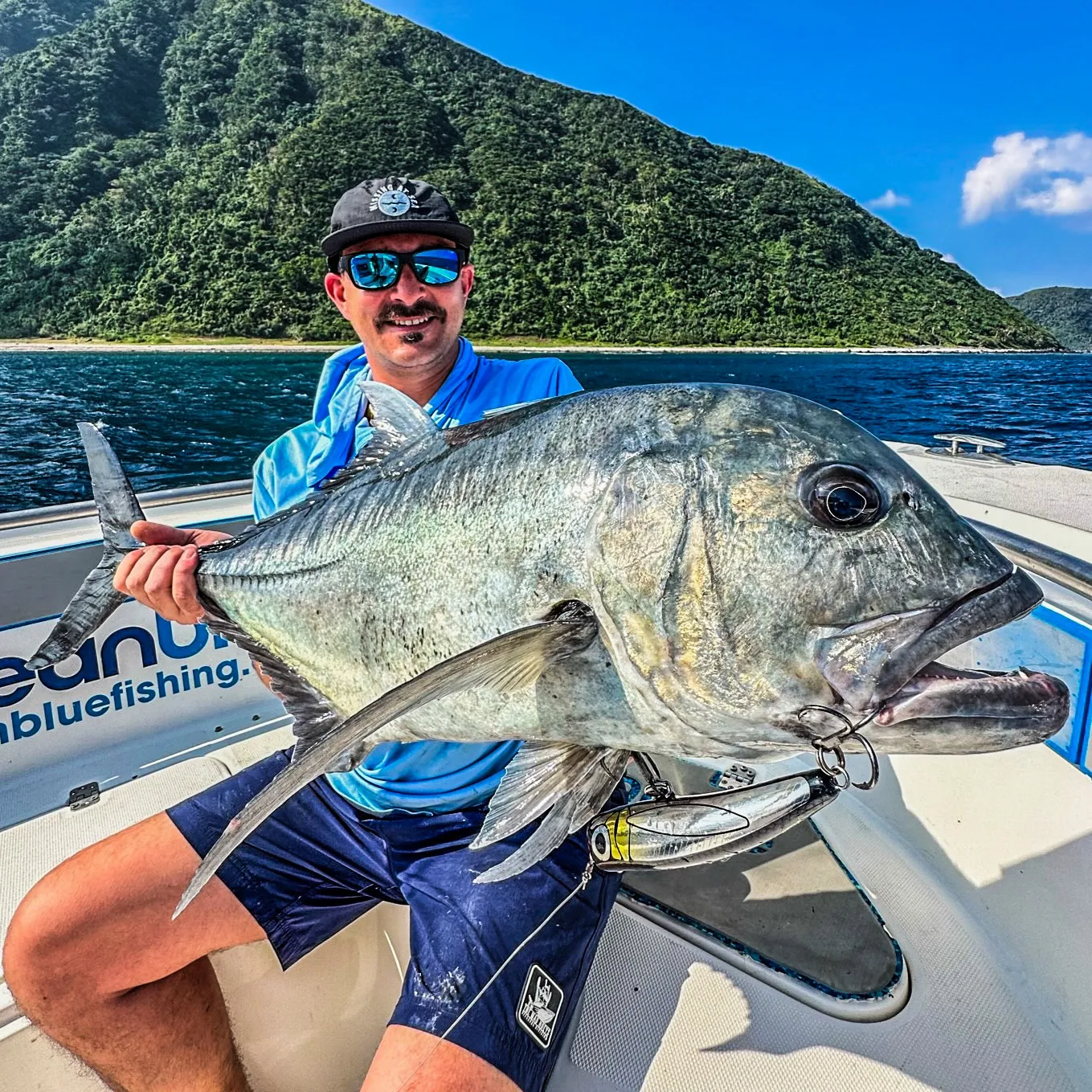
Vanuatu has earned a solid reputation among experienced anglers for giant trevally and dogtooth tuna fishing. The country’s volcanic topography creates steep drop-offs and deep-water structure that provide good habitat for large GT and dogtooth tuna, and anglers with a specific interest in these species often plan trips around that structure.
Fiji also holds a giant trevally and dogtooth tuna fishery, and anglers who enjoy popping and jigging can find solid action there. Fiji’s fishing is better known for its wahoo, marlin, and mahi-mahi, where trolling runs and strong offshore currents give the destination its own drawing card.
What Pelagic Species Does Vanuatu Offer Anglers?
Vanuatu’s offshore waters support a good range of sport fish, making the archipelago a productive blue-water destination. Anglers targeting mahi-mahi, wahoo, yellowfin tuna, marlin, giant trevally, and dogtooth tuna find genuine opportunities across Vanuatu’s varied marine terrain — from open-ocean pelagic zones to reef edges and drop-offs.
The species list alone sets Vanuatu apart from many single-focus destinations. Each target demands a different approach, different tackle, and a different mindset.
What Makes Dogtooth Tuna and Yellowfin Tuna Challenging in Vanuatu?
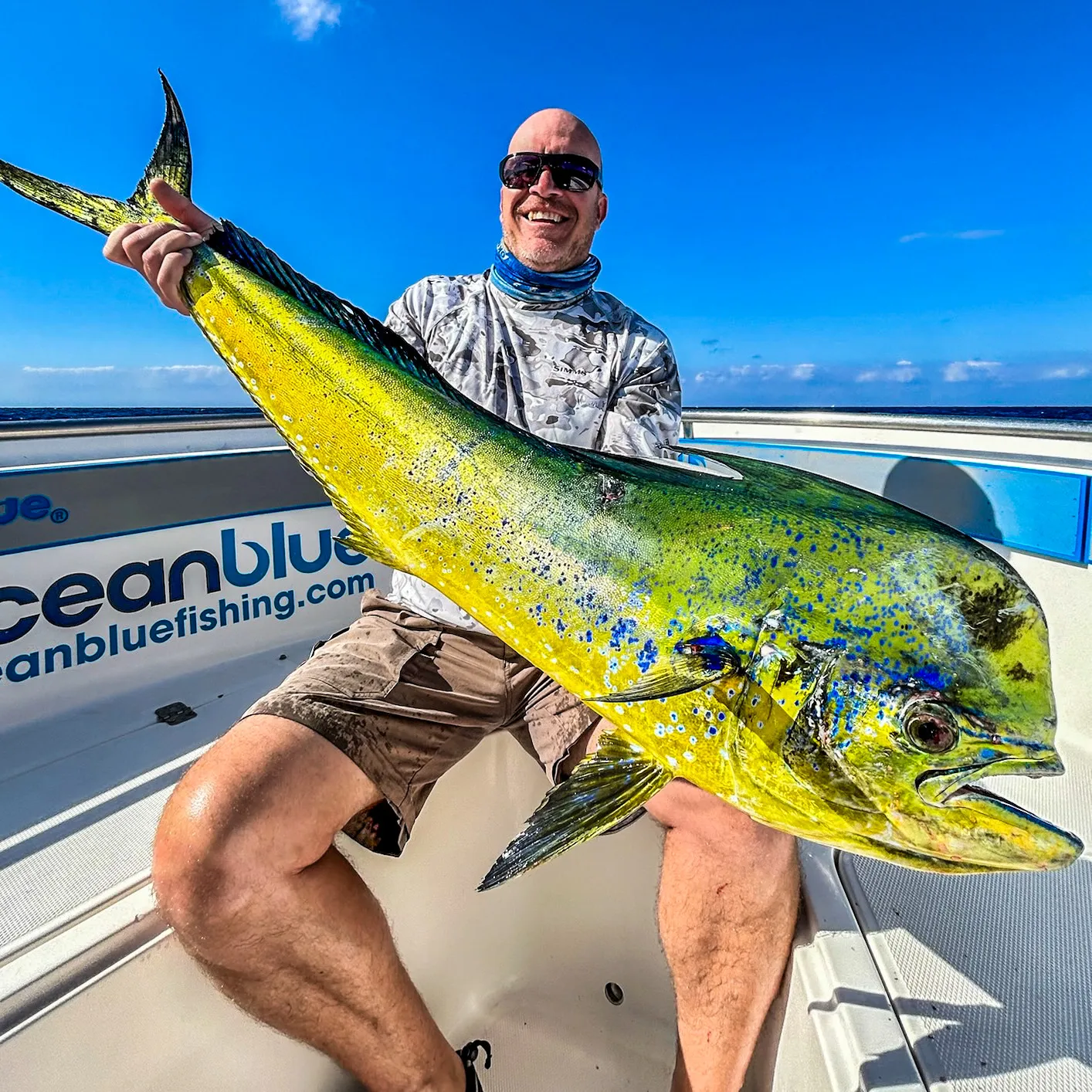
Dogtooth tuna and yellowfin tuna rank among the more demanding sport fish in Vanuatu’s waters. Both species are powerful, fast-running fish that test tackle and technique. Dogtooth tuna, in particular, are known for diving hard toward structure the moment they feel the hook — a fight that tests drag settings and angler stamina — and Vanuatu’s volcanic drop-offs provide excellent habitat for larger specimens. Yellowfin tuna add sustained, deep runs that can last longer than many anglers expect.
“Dogtooth tuna don’t give line easily — the moment they feel the hook, they dive hard for structure, and that’s when drag settings and angler stamina get tested.”
Spike Lieberman – Ocean Blue Fishing
What Reef Species Complete the Vanuatu Fishing Experience?
Beyond the open-water pelagics, Vanuatu’s coral formations and rocky structures hold coral trout, a popular reef species that rewards precise presentation and local knowledge. Coral trout are not a casual bycatch — dedicated reef sessions targeting these fish add worthwhile variety to a multi-day itinerary.
Giant trevally bridge the gap between reef and pelagic fishing. These aggressive predators are known for explosive surface strikes and powerful, line-stripping runs near reef structure. A GT charging a surface lure at speed tests an angler’s composure, and Vanuatu’s mix of rocky reefs and coral formations gives anglers a good number of places to find them.
| Species | Primary Zone | Known For |
|---|---|---|
| Mahi-mahi | Open water | Aerial acrobatics, vibrant colour |
| Wahoo | Offshore pelagic | High speed |
| Yellowfin tuna | Mid-water, deep | Sustained power runs |
| Dogtooth tuna | Deep structure | Tackle-testing dives |
| Giant trevally | Reef edges | Explosive surface strikes |
| Coral trout | Reef formations | Precision reef fishing |
Ocean Blue Fishing Adventures, based at Port Havannah on Efate, designs trips specifically around this species diversity, matching vessel, technique, and timing to give anglers a realistic shot at each target.
What Species Make Fiji a Compelling Fishing Destination?
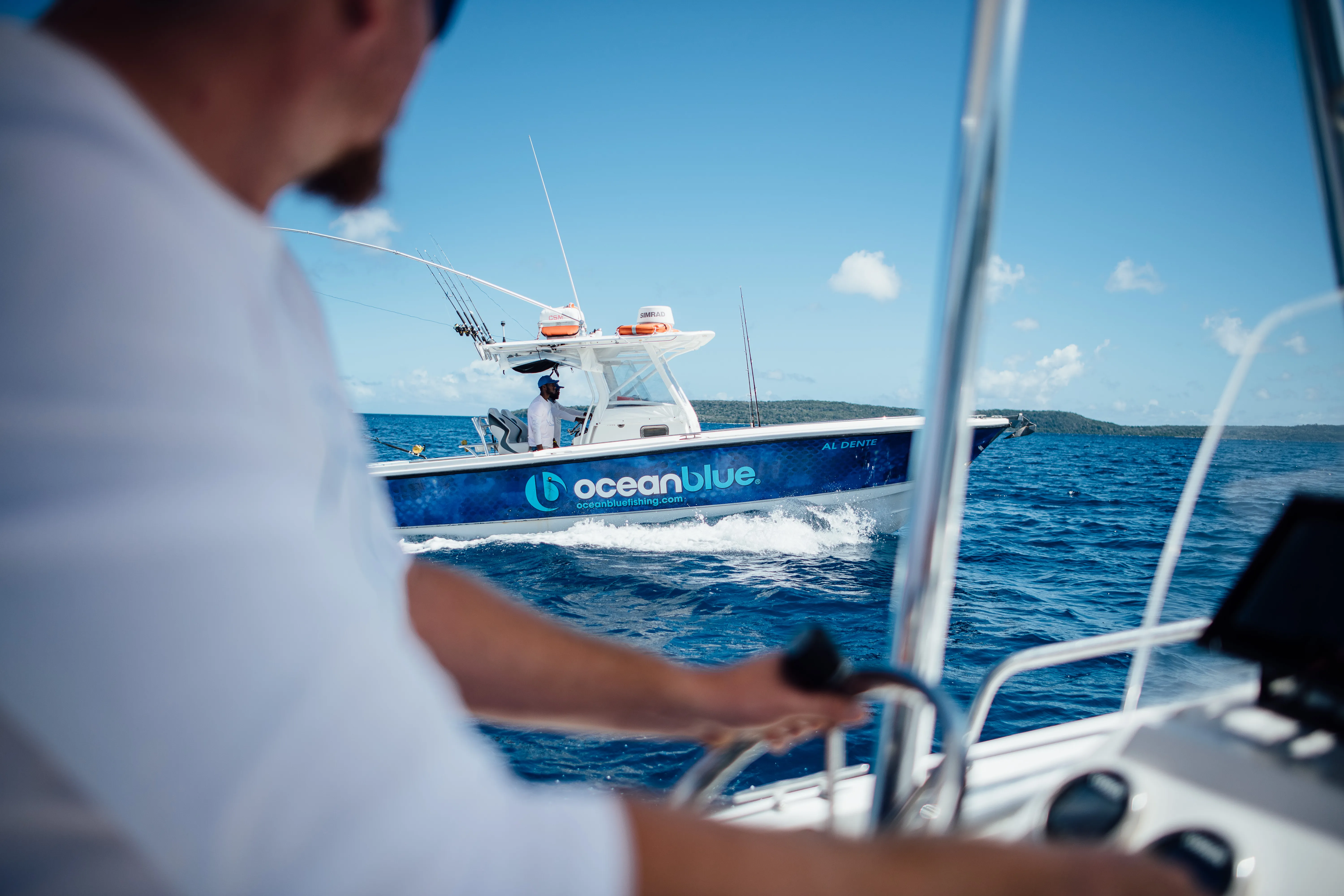
Fiji is well regarded across the Pacific for its offshore trolling fishery, with wahoo, marlin, yellowfin tuna, and mahi-mahi among the more consistent targets. Anglers who skip Fiji’s offshore grounds miss out on fast trolling runs and the acrobatic strikes that rank among the region’s more memorable light-tackle fishing.
Trolling is the dominant technique used to target these species in Fiji’s waters. Wahoo reward anglers who can present fast-moving lures along current lines and drop-offs, delivering fast runs the moment they strike. Marlin and mahi-mahi add variety to the mix, testing an angler’s tackle and technique through the fight that follows a strike. Fiji also holds a giant trevally and dogtooth tuna fishery for anglers who want to mix in some popping and jigging, though Vanuatu’s volcanic structure is generally associated with larger specimens of those species.
What Other Species Do Anglers Encounter in Fiji’s Waters?
Beyond wahoo and marlin, Fiji’s offshore environment supports yellowfin tuna, mahi-mahi, giant trevally, and dogtooth tuna, giving visiting anglers a well-rounded target list. Yellowfin tuna are prized for their speed and endurance, while mahi-mahi deliver acrobatic displays that make every hookup memorable. Anglers chasing marlin alongside the widest species mix in a single trip often find Vanuatu’s broader lineup easier to plan around, but Fiji’s wahoo and marlin fishing remains a genuine drawcard of its own.
How Does Trolling for Wahoo and Marlin Shape a Fiji Fishing Trip?
Trolling for wahoo and marlin calls for fast lure presentations, sturdy leader material, and the ability to cover open water quickly once bait or bird activity signals a feeding zone. Wahoo demand tackle that can handle sudden, fast runs, while marlin reward anglers who stay ready for a sudden strike and the fight that follows. Anglers who also want to work in some popping and jigging for giant trevally and dogtooth tuna should plan for reef edges and drop-offs as a secondary stop, since those species call for a different gear setup and a more structure-focused approach.
| Target Species | Primary Technique | Habitat |
|---|---|---|
| Wahoo | Trolling | Current lines, open water |
| Marlin | Trolling | Surface, open water |
| Yellowfin Tuna | Jigging / trolling | Open water |
| Mahi-Mahi | Trolling / casting | Surface, open water |
| Giant Trevally | Popping | Reef edges, drop-offs |
| Dogtooth Tuna | Jigging | Deep water columns |
How Do Seasonal Fishing Conditions Differ in Vanuatu?
Seasonal fishing conditions in Vanuatu don’t “switch off” in a hard way, but they do change how you fish—mainly through shifts in wind, sea state, current, and water clarity, which influence where you can run comfortably and which zones (blue water vs reef edges) fish best on the day. In the trade-wind months you’ll often plan around more consistent breezes and pick your windows and lee-side water, while the wetter months can bring more humidity and weather movement that creates short, fishy bite periods and pushes bait around current lines and structure.
The practical difference for guests is that the plan stays flexible: charters based out of Port Havannah have quick access to reef edges and offshore water, so the day can be adjusted to suit conditions—trolling blue water when it’s clean and comfortable, or working reef edges, channels and protected areas when wind and swell make certain runs less appealing. That’s why Vanuatu is regarded as a reliable year-round destination: the conditions change, but there’s usually a workable option if you fish the right water for the season.
When Is the Best Time to Fish Vanuatu?
Vanuatu’s fishing calendar breaks into three seasonal windows, and the best one depends on what an angler is chasing. May to August stands out as a strong all-around stretch: anglers can target a wide variety of species — giant trevally, dogtooth tuna, yellowfin tuna, marlin, mahi-mahi, and wahoo — while comfortable 26–28°C days and the arrival of south-east trade winds settle in for the season.
December to April/May is generally the strongest window for blue marlin and anglers chasing larger fish. The warmer summer waters bring more baitball activity, which tends to increase blue marlin and yellowfin tuna activity alongside chances at larger GT and dogtooth tuna. This window falls within the official Pacific cyclone season (November–April), so warm, humid days can bring afternoon showers, and anglers should monitor forecasts closely and stay flexible around any tropical weather systems.
The seasonal breakdown looks like this:
| Season | Months | Standout Species |
|---|---|---|
| Peak blue marlin season | December – April/May | Blue marlin, larger yellowfin tuna, larger GT, dogtooth tuna |
| Widest variety, best all-around | May – August | Giant trevally, dogtooth tuna, yellowfin tuna, marlin, mahi-mahi, wahoo |
| Spring/early summer, building toward peak | September – December | Wahoo early in the window, mahi-mahi through September–October, blue marlin activity building into December |
September to December rounds out the calendar as Vanuatu moves into spring and early summer. Wahoo tend to run well early in the window, and mahi-mahi hold through September and October before tapering off toward December, when blue marlin activity begins building into its December–April peak.
Charter operators across Vanuatu, including Ocean Blue Fishing Adventures, run guided trips across all three seasonal windows, tailoring itineraries to match the species running at the time of each booking. Anglers targeting a specific fish benefit from consulting the seasonal calendar before locking in travel dates, since timing can meaningfully affect results.
How Do Vanuatu and Fiji Compare on Marlin Fishing?
Vanuatu is a consistent marlin fishery, offering blue marlin, black marlin, and striped marlin across distinct seasonal windows. Marlin are available in Vanuatu across the year, with blue marlin fishing generally strongest December through April/May, when warmer summer waters and increased baitball activity tend to lift blue marlin and yellowfin tuna activity together.
Fiji also holds marlin in its offshore waters, and anglers who base a trip there can find solid blue marlin action alongside the destination’s wahoo fishing. Vanuatu’s year-round availability across all three marlin species gives it a practical edge for anglers whose travel dates are fixed by work or family commitments rather than fishing calendars — a factor worth weighing when comparing Pacific destinations.
Which Months Produce the Best Marlin Fishing in Vanuatu?
Vanuatu’s warmer summer months, running from December through April/May, are generally the strongest window for blue marlin, as increased baitball activity tends to lift marlin and yellowfin tuna activity together. Black marlin and striped marlin also run through the archipelago’s waters across the year, giving visiting anglers productive mixed-species options even outside the peak blue marlin window.
Does Vanuatu Offer All Three Marlin Species?
Vanuatu’s waters hold all three major billfish — blue, black, and striped marlin — making the destination a genuinely diverse option for marlin-focused anglers. Vanuatu offers anglers the opportunity to encounter all three species over the course of the year within a single itinerary.
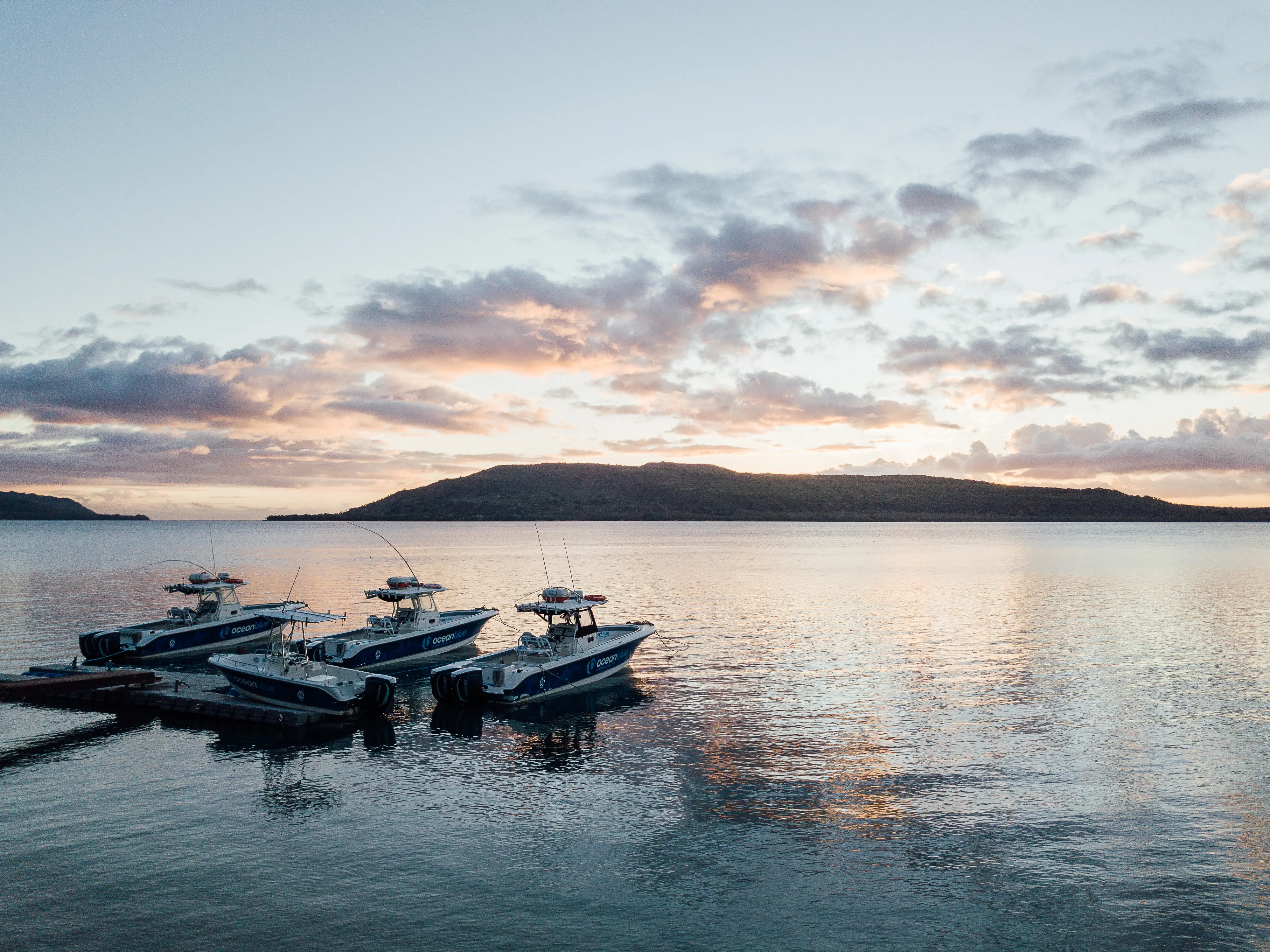
Charter operators such as Ocean Blue Fishing Adventures, based out of Port Havannah on Efate, put guests onto marlin and other billfish species with the support of an experienced local crew.
Which Destination Suits Reef and Inshore Fishing Better?
Both destinations offer diverse reef fisheries, although Vanuatu’s volcanic coastline creates numerous steep reef edges and deep-water access close to shore. Fiji also offers strong inshore options built around its own reef systems, with a mix of coral formations, rocky reefs, and tidal systems that hold multiple target species.
What Reef Species Can Anglers Target in Vanuatu?
Vanuatu’s reefs and reef edges give anglers a solid mix of tropical species, with giant trevally and dogtooth tuna as the headline targets around drop-offs, pressure points and deeper reef edges. Depending on conditions and location, anglers can also connect with coral trout, red emperor, jobfish, other trevally species, and pelagics such as mahi-mahi and wahoo, which are occasionally encountered around reef edges and current lines rather than being true reef species.
Here’s how each of these reef species breaks down by habitat and behaviour:
| Species | Preferred Habitat | Notable Behaviour |
|---|---|---|
| Giant trevally | Drop-offs, pressure points, deeper reef edges, rocky reefs and coral formations | Aggressive, structure-oriented predator; depth shifts with feeding windows and tidal movement, with spawning activity typically increasing November–March |
| Dogtooth tuna | Deep reef edges and structure near drop-offs | Powerful, hard-diving fighter that tests tackle and technique |
| Coral trout | Coral formations and rocky structures across the archipelago | Popular inshore catch that rewards precise presentation and local knowledge |
| Red emperor | Reef structure and drop-offs | Strong bottom-dweller, popular table fish |
| Jobfish | Reef edges and adjacent open water | Fast striker, active around current lines |
| Trevally (other species) | Reef flats and rocky structure | Opportunistic feeders, respond well to lures and bait |
| Mahi-mahi & wahoo | Pelagic species occasionally encountered near reef edges and current lines | Show up opportunistically alongside dedicated reef species |
How Does Fiji’s Inshore Fishing Compare?
Fiji’s inshore fishery is built around its own reef systems and offers solid giant trevally and dogtooth tuna action near atolls and drop-offs, while Vanuatu’s volcanic reef structure has become well regarded for both species among specialist anglers. Both destinations offer legitimate reef fishing, and coral trout are commonly caught across reef systems in both countries, though Vanuatu’s wider variety of reef habitats — coral formations, rocky reefs, and tidal systems together — gives anglers more species to work with across a single trip.
| Feature | Vanuatu | Fiji |
|---|---|---|
| Coral trout availability | Common across reef systems | Common across many reef systems |
| Giant trevally habitat | Rocky reefs, coral formations | Atolls, reef edges |
| Seasonal GT activity | Increased activity November–March | Fishable year-round with seasonal peaks |
Charter operators based out of Port Havannah on Efate give anglers direct access to the reef systems and structured habitats where these inshore species tend to concentrate.
What Techniques Work Best Across Both Destinations?
Surface popping, stickbaiting, and jigging are the core techniques that produce results across both Vanuatu and Fiji. Anglers who learn these methods gain access to many of the more prized species each destination holds.
Does the Same Gear Work for Giant Trevally in Both Vanuatu and Fiji?
Giant trevally respond to surface poppers and stickbaits in both destinations. Vanuatu’s reef edges and offshore structure make surface presentations effective, drawing explosive topwater strikes over volcanic drop-offs. Fiji’s GT fishery rewards the same approach, with popping and jigging covering the full water column when fish sit deeper. Anglers who carry both surface and vertical setups are better placed to adapt as conditions shift through the day, whichever destination they choose.
What Is the Best Way to Target Mahi-Mahi in Vanuatu and Fiji?
Mahi-mahi respond to a wider variety of techniques than most other Pacific species. Trolling, casting, and live-baiting all produce fish, and the species’ reputation for acrobatic aerial displays makes every hookup memorable. That versatility, combined with a fast and unpredictable fight, is part of why mahi-mahi remain a popular target for anglers on both sides of the Pacific.
Technique Summary by Target Species
| Target Species | Primary Technique | Secondary Technique |
|---|---|---|
| Giant Trevally | Surface popping | Jigging |
| Dogtooth Tuna | Jigging | Deep vertical presentations |
| Mahi-Mahi | Trolling / casting | Live-bait presentations |
The Pacific’s open-water environments reward anglers who stay versatile. A session that starts with topwater action for GTs can transition into a jigging run for dogtooth tuna once the surface bite slows. Local operators in each destination guide guests through their own home waters, applying local knowledge to match technique to conditions on any given day — Vanuatu-based charters such as Ocean Blue Fishing Adventures focus that expertise on Vanuatu’s fisheries, while Fiji’s own operators do the same on their side of the Pacific.
FAQ
Vanuatu’s blue-water grounds support six of its most sought-after gamefish: mahi-mahi, wahoo, yellowfin tuna, marlin, giant trevally, and dogtooth tuna, giving anglers the opportunity to target multiple species in a single offshore charter.
Blue marlin fishing is generally strongest December through April/May during the warmer summer months, when increased baitball activity tends to lift blue marlin and yellowfin tuna activity, making that window a good time for anglers targeting marlin across Vanuatu’s offshore grounds.
Many anglers choose Vanuatu specifically for GT and dogtooth tuna because of its steep volcanic structure and proximity to deep water, while Fiji remains an excellent destination for offshore trolling and reef fishing. Fiji still holds a respectable GT and dogtooth tuna fishery, but its offshore fishing is better known for wahoo, marlin, and mahi-mahi, making it a strong pick for anglers chasing fast trolling action.
Conclusion
Vanuatu and Fiji each reward anglers who fish them on their own terms, and the right choice often comes down to which species and travel logistics matter most. Vanuatu’s blue-water grounds support marlin, wahoo, mahi-mahi, tuna, giant trevally, and dogtooth tuna across a genuine seasonal spread, and its volcanic drop-offs and structure have earned it a strong reputation for GT and dogtooth tuna fishing. Fiji has built its own strong reputation for wahoo, marlin, and mahi-mahi fishing, backed by a respectable giant trevally and dogtooth tuna fishery built around popping and jigging. Reef and inshore anglers often find a diverse mix of reef and offshore species across Vanuatu’s coral formations and rocky structure, and the same surface and vertical techniques that produce results in Fiji apply directly to Vanuatu’s grounds.
For anglers who want a fully guided experience — vessel, crew, lodge accommodation, and local knowledge of regulations all handled — Vanuatu’s charter operations, including Ocean Blue Fishing Adventures out of Port Havannah on Efate, offer fully guided fishing packages tailored to different species and seasons. Whichever destination an angler chooses, success generally comes down to matching the season, species, and technique to the water in front of them.
Start Planning Your Vanuatu Fishing Adventure
Whether you are launching your first trip or returning to Vanuatu, Ocean Blue Fishing Adventures offers guided fishing experiences tailored to diverse fishing styles, target species, and experience levels. Discover our Fishing Adventures to select your ideal trip, compare Trips & Pricing for the best value, or Contact Us to start planning your custom Vanuatu fishing adventure today.