

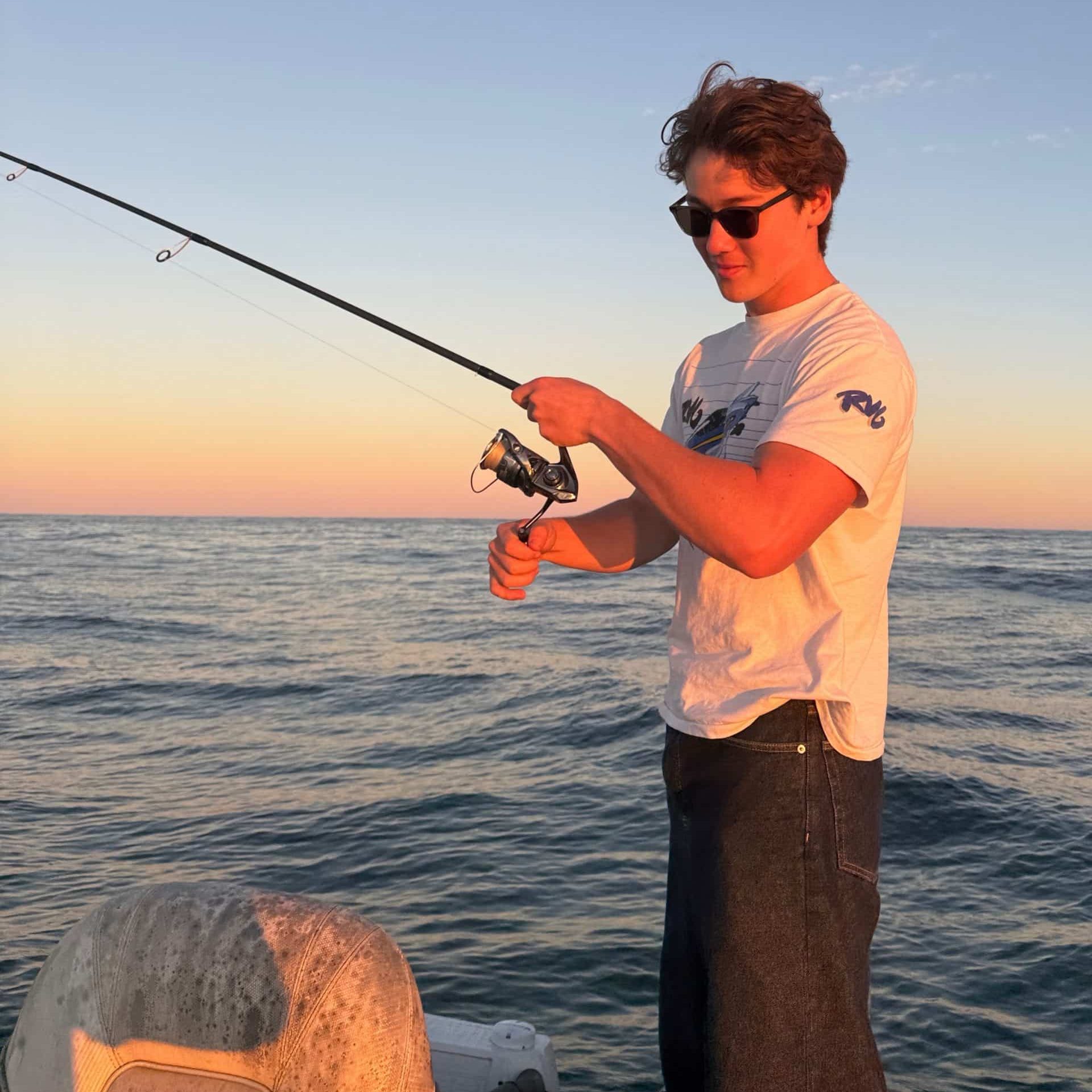
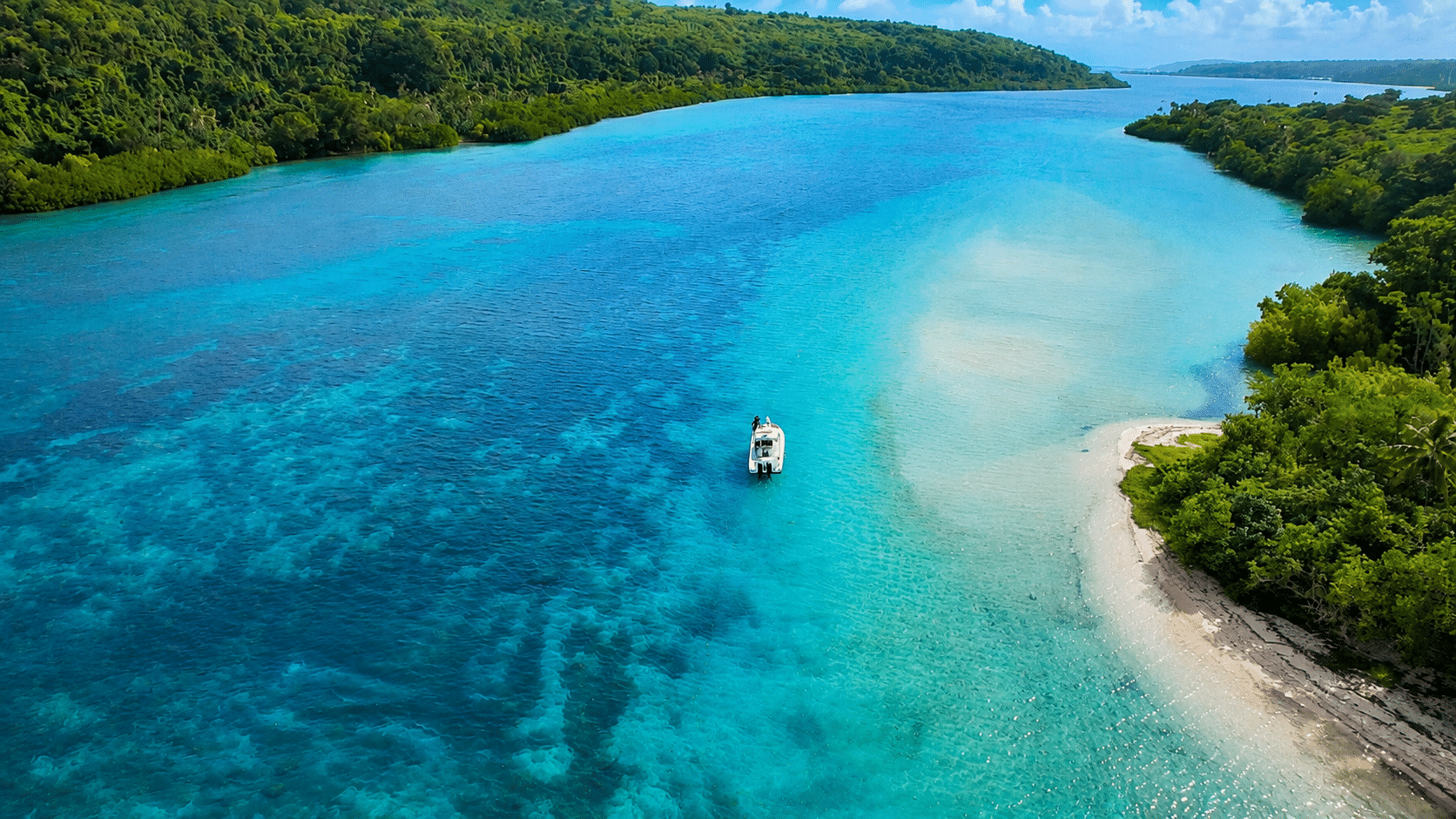
In Vanuatu, weather remains a fundamental factor influencing fishing success throughout the year. Understanding the Vanuatu fishing seasons enables anglers to better anticipate changing sea conditions and adapt accordingly. The island nation experiences various seasonal influences—characterized by changes in water temperature, wind patterns, humidity, and sea state—that all impact fish behavior, species availability, and effective fishing techniques. By acknowledging these environmental dynamics, anglers can select suitable gear, fine-tune their methods, and choose optimal fishing spots seasonally. Located on the leeward side of the island, our fishing operations benefit from natural shelter from prevailing winds, offering calmer and safer waters for an enhanced fishing experience. This comprehensive guide outlines how Vanuatu’s local weather patterns influence fish migration and feeding habits, how flexible fishing adventures respond to shifting conditions, and what safety and preparatory steps anglers should consider to fish confidently in this tropical climate.
Key Takeaways
- Vanuatu has a tropical climate with fishing conditions influenced by seasonal variations, including wind patterns and rainfall, but not strictly by traditional wet and dry seasons.
- From May to early November, cooler south-east trade winds often blow at 10–20+ knots, producing choppy offshore seas that can influence fish behavior but our leeward location provides shelter from rough conditions.
- From November through April, warmer temperatures and higher humidity prevail with variable sea states including calm windows and occasional squalls or thunderstorms, alongside a rare but important risk of cyclones.
- Surface water temperatures typically range from around 24–26°C during cooler early season months to about 28–30°C during warmer mid and late season periods, with regional and yearly variation.
- Strong trade winds help mix waters and set current lines that concentrate bait and predators, but our leeward position often offers a more protected, stable environment for fishing.
- Giant Trevally (GT) show year-round presence with feeding behavior influenced by tides, lunar phases, and local conditions; they often hold deeper during bright daylight but push shallow during low-light periods and tidal changes.
- Dogtooth Tuna frequent vertical drop-offs year-round and respond to changing light and tide conditions similarly.
- Baitfish schools are generally more visible near the surface in warmer months, supporting varied predator feeding activity without strictly defined seasonal patterns.
- Blue and Black Marlin are present year-round with activity influenced by currents, bait, and fishing locations; timing and methods adjust based on daily conditions.
- Yellowfin Tuna are also caught year-round, with larger fish appearing in pulses linked to currents and bait availability; calm-water surface hunting is more consistent during certain periods.
- Fishing techniques should remain flexible to seasonal, tidal, lunar, and weather factors to improve success.
- Experienced local guides and tailored fishing trips dynamically adapt plans based on current weather and sea conditions, optimizing your fishing experience.
- Preparation for weather variability—including monitoring forecasts and carrying appropriate gear—ensures safety and comfort throughout your fishing adventures.
Seasonal Patterns in Vanuatu
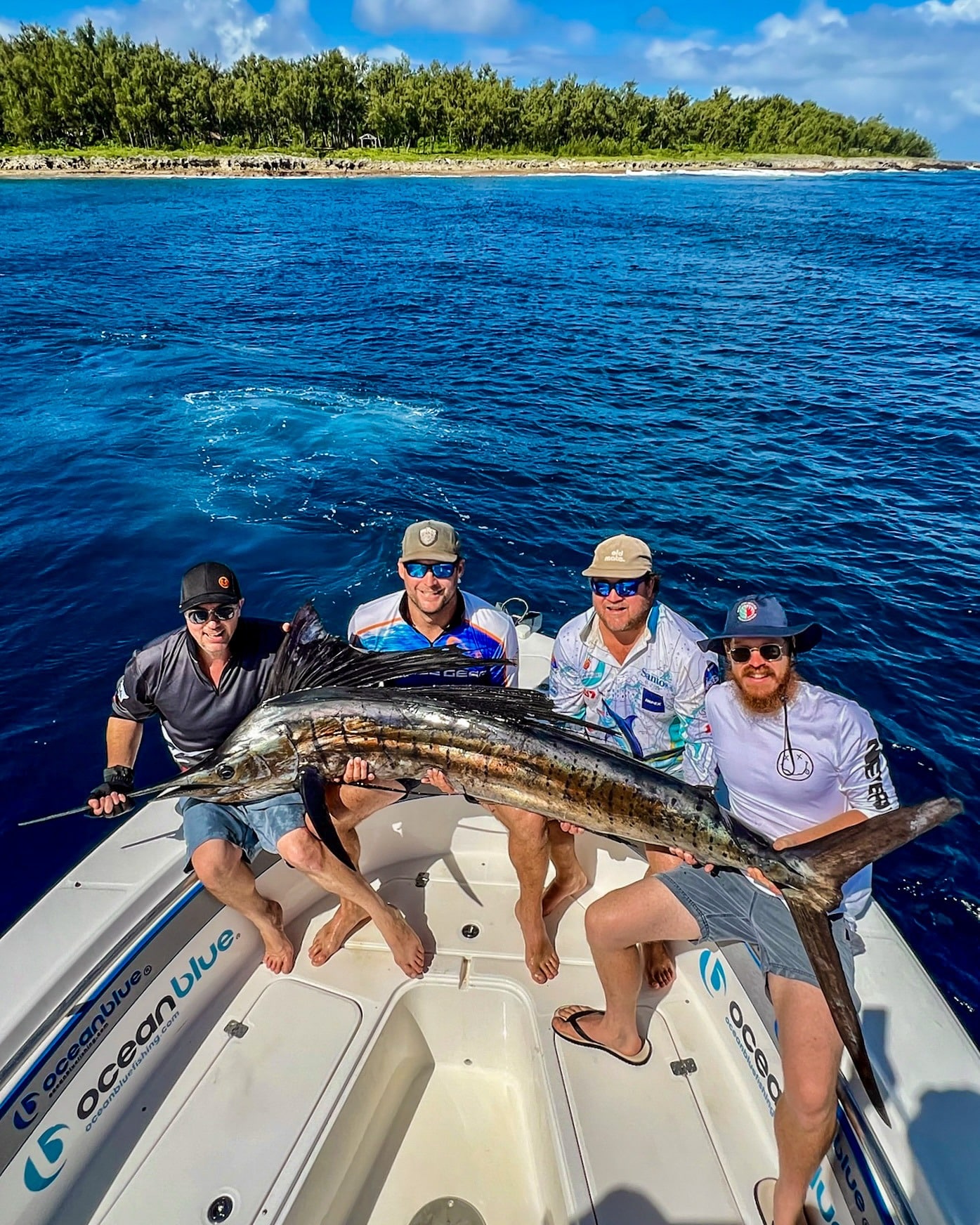
Vanuatu’s fishing conditions are influenced by seasonal changes rather than strict wet and dry categories. From May to early November, the cooler season is marked by the regular presence of south-east trade winds typically blowing 10–20+ knots, creating choppy offshore waters that can challenge boating. Our location on the leeward side of the island provides natural protection from these winds, offering anglers calmer waters and enhanced comfort.
During the warmer season, November through April, temperatures rise, humidity increases, and sea states are more variable, featuring calm mornings, tropical showers, occasional squalls, and a low but important risk of cyclones. While this period is often locally associated with more rainfall, the weather patterns in Vanuatu differ substantially from typical ‘wet season’ conditions seen in other parts of the world. The warmer surface waters can cause some baitfish to move deeper during bright daylight, while visible surface schools often support predator feeding across diverse conditions.
Large predators such as Dogtooth Tuna and Giant Trevally shift depths with light and tidal changes. Billfish like Blue and Black Marlin, alongside Yellowfin Tuna, maintain year-round presence with activity fluctuating by currents, bait, and localized conditions. Knowledge of these seasonal shifts helps anglers tailor their fishing approach while leveraging our protected leeward location for optimal comfort and safety.
To truly master fishing in Vanuatu, one must read the weather and tides as dynamic guides—its shifting patterns underpin each catch and craft every success.
Spike Lieberman – Ocean Blue Fishing
Water Temperature Variations in Vanuatu’s Seasonal Periods
The table below summarizes typical surface water temperatures and associated effects on fish behavior and fishing strategies during Vanuatu’s three recognized fishing seasons as described here.
Understanding these three seasonal periods—Cool, Build Up, and Warmer—helps anglers optimize fishing techniques, gear selection, and timing for the best chances of success while accommodating weather variability and fish behavior changes.
Key Weather Patterns Affecting Fishing in Vanuatu
- Trade Winds Predominance During Cooler Months: South-East trade winds prevail roughly May to early November, often bringing 10–20+ knots and creating rough offshore conditions. However, our leeward location provides fishermen with sheltered areas less affected by these winds, enabling safer boating and better surface fishing options.
- Variable Conditions in Warmer Months: From November to April, sea states fluctuate with calm conditions early in the day, intermittent tropical showers, squalls, and a possibility of cyclones. Despite these variabilities, most days remain fishable, with trips scheduled around weather events to capitalize on productive surface and deep fishing windows.
- Fish Depth and Activity Changes Linked to Temperature and Light: During warmer months, elevated surface water temperatures often drive baitfish and larger predators deeper in bright daylight, while feeding activity peaks occur during low light and tidal shifts. Cooler months tend to concentrate predators nearer the surface, increasing opportunities for surface techniques from protected areas.
What Fishing Techniques Work Best In Different Seasonal Periods?
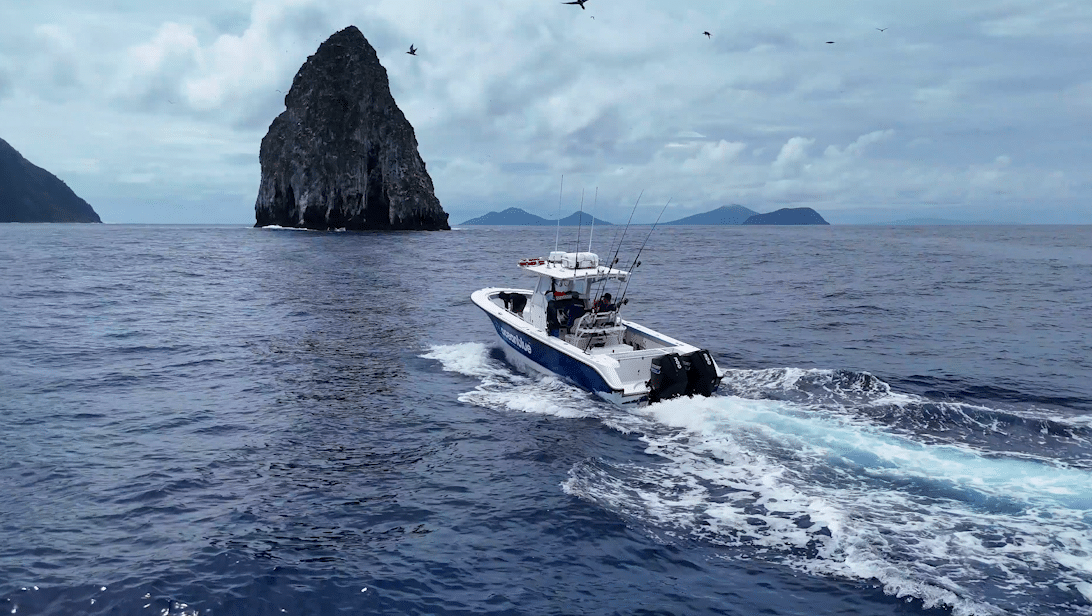
Adjusting fishing tactics according to seasonal weather, fish behavior, tidal cycles, and lunar phases enhances catch-rate potential and angler enjoyment.
- Cooler Period: Surface trolling, casting, and light surface popping in protected and sheltered spots on the leeward side excel as predators approach near surface waters. Targeting shielded coasts and reef edges provides respite from trade wind-driven chop.
- Warmer Period: Both deep jigging and surface fishing are effective. Deep jigging targets Dogtooth Tuna and Giant Trevally frequenting vertical drop-offs and deeper depths during bright daylight, while surface fishing around low light, tides, and lunar phases leverages increased predator feeding. Surface popping works best during calm, glassy windows typical on sheltered reefs in our leeward area. See our GT & Dogtooth Adventures for examples.
How Should Anglers Adjust Their Fishing Techniques Considering Trade Winds and Variable Weather?
- During windier cooler months, focus on the leeward coasts, reef edges, and channels protected from trade winds, where calmer waters enhance presentation quality and fish congregation.
- Use surface trolling extensively in the cooler period when predators are near surface despite rough seas elsewhere; heavy surface popping is most successful in sheltered spots due to wind limitations on open waters.
- In warmer months, with variable sea states and occasional cyclones, prioritize deep jigging on vertical drop-offs where predators retreat in bright conditions and utilize surface techniques during low-light, tidal, and lunar periods on protected areas.
- Maintain flexibility to respond to real-time weather, tides, and lunar phases by adjusting locations and techniques dynamically.
- Maximize success by tracking tides, currents, and moon phases that influence shifting fish concentrations.
Which Species Are Prominent Throughout Seasonal Periods?
Target species show activity shifts linked to water temperature, sea conditions, tides, and lunar cycles, remaining present year-round but with variable behavior.
How Does Weather Impact Fish Migration and Behavior in Vanuatu Waters?
- Weather influences fish through water temperature changes, sea state variations, tidal and lunar phase cycles, and baitfish distribution.
- Cooler, windier months tend to concentrate fish near sheltered reef edges, drop-offs, and channels offering protection and feeding opportunities.
- Warmer months with calmer intervals allow surface hunting by species like Blue Marlin and Yellowfin Tuna during low light, tides, and lunar phases; species such as Giant Trevally often shift to deeper waters in bright daylight but feed actively during tidal and lunar changes.
- Fish movements are generally localized and strongly influenced by currents, temperature variations, tides, and moon phases rather than extensive migrations.
How Do Ocean Blue Tailored Adventure Packages Optimize Fishing Experiences According to Weather?
Ocean Blue fishing specializes in customizing fishing adventures that flexibly respond to real-time weather conditions rather than following fixed itineraries. Skippers monitor forecasts, sea state, tides, and lunar phases to select the most productive fishing locations—rotating among sheltered coastlines, reef edges, channels, and offshore grounds. Our unique position on the leeward side of the island further enhances comfort and safety by offering protection from strong winds. This adaptive strategy maximizes angler success and trip enjoyment while ensuring logistical efficiency and safety.
How Do Expert Local Guides Enhance Fishing Success in Changing Weather?
Experienced local guides possess deep knowledge of seasonal fish movements, currents, safe anchorages, tides, and lunar cycles. Their ability to interpret real-time environmental and sea conditions allows them to recommend prime fishing spots and tactics, significantly boosting catch rates and overall safety.
What Safety and Preparation Measures Should Anglers Take for Weather Variability in Vanuatu?
Tropical weather can change rapidly and unpredictably, so anglers should plan carefully by monitoring weather updates, bringing adequate protective gear, and fishing with experienced guides or crews. Such preparation minimizes risks and ensures a productive and enjoyable fishing experience.
How Can Anglers Prepare for Sudden Weather Changes During Fishing Trips?
To effectively manage unexpected weather shifts, anglers should:
- Monitor Weather Forecasts: Stay informed about local conditions before and during your fishing trips.
- Pack Appropriate Gear: Include rain protection, layered clothing for temperature variations, and sun protection to maintain comfort.
- Maintain Flexibility: Be ready to quickly relocate or adapt fishing techniques according to real-time environmental changes.
Frequently Asked Questions
1. How does humidity affect fishing conditions in Vanuatu?
High humidity corresponds with falling barometric pressure and increased cloud cover, often extending aggressive surface feeding windows. However, humid conditions can accelerate angler fatigue and create slick deck surfaces requiring caution.
2. What types of fish can be caught during warmer periods?
Species like Dogtooth Tuna and Giant Trevally remain active at various depths during low light, tidal, and key lunar phases. Deep jigging and surface fishing techniques continue to be effective. Blue and Black Marlin are present year-round with activity influenced by currents and location. Large Yellowfin Tuna schools also present prime opportunities linked to current and bait pulses.
3. What gear should anglers consider for varying weather conditions?
Versatile tackle suited for both surface and deep fishing is advised, along with waterproof or quick-drying apparel to handle rain and strong sun protection for dry conditions. Being prepared for diversity in weather maximizes comfort and fishing time.
4. Are there any local fishing regulations to be aware of?
Vanuatu enforces regulations including catch limits, minimum size requirements, and seasonal closures to support sustainable fisheries. Anglers should consult local authorities or charter operators to stay compliant with current rules.
5. How do local fishing guides assist with seasonal changes?
Guides interpret environmental and fish behavior shifts, directing fishing efforts to the most productive spots. Their expertise often makes the difference between a successful trip and an uneventful outing.
6. What should I know about tides and their impact on fishing?
Tides significantly influence fish feeding and access to structure. Peak fishing often occurs around tidal changes and lunar phases such as new and full moons. Planning trips using tide charts, lunar calendars, and knowledge of Vanuatu fishing seasons helps maximize catch potential.
Conclusion
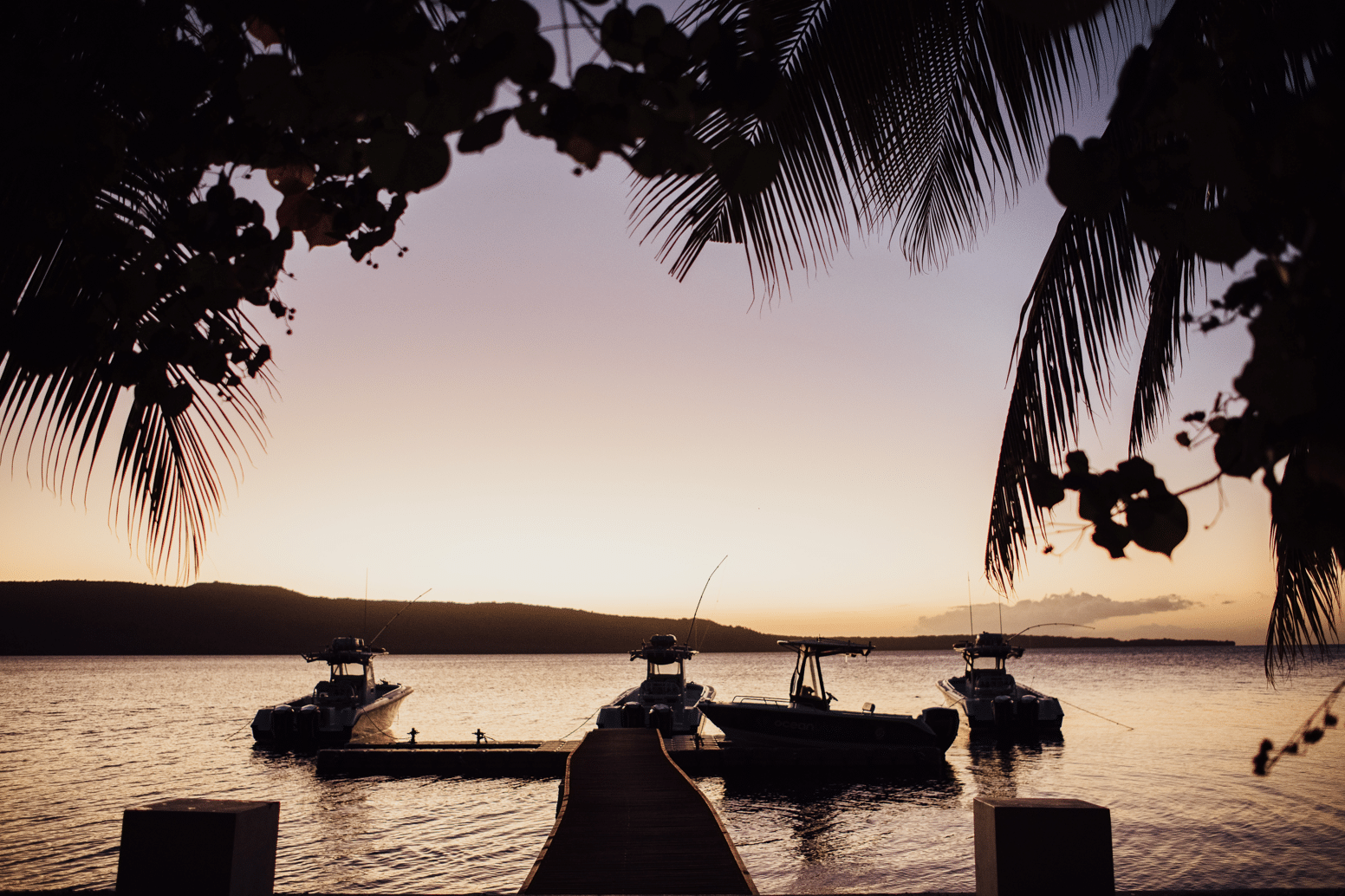
Vanuatu’s tropical weather patterns strongly steer fishing conditions year-round through distinct cooler and warmer seasonal periods characterized by prevailing winds, temperature shifts, and variable sea states. Our leeward island location offers protection from strong trade winds, enhancing boating safety and fishing comfort. Predatory fish adjust their depth preferences according to water temperature and light, with cooler periods typically bringing fish nearer the surface and warmer periods causing deeper holding during bright daylight but increased surface feeding during low light and tidal phases. Both Blue and Black Marlin are available throughout the year, with fishing windows influenced by local currents and bait, rather than fixed calendar months. Yellowfin Tuna appear year-round, with activity influenced by currents and bait availability; calm-water surface fishing is more consistent at certain times. Striped Marlin tend to show more during cooler or offshore current-influenced periods but with less predictability. Giant Trevally remain year-round with feeding linked strongly to tidal and lunar cycles. Dogtooth Tuna are resident apex predators on vertical drop-offs year-round, making deep jigging a productive option across seasons. Fishing methods and targeted species vary accordingly, factoring in tidal and lunar influences. Expert local guides combined with adaptive fishing packages optimize angler success and safety by responding fluidly to changing conditions. Proper preparation for weather variability is essential to enjoy and maximize every fishing adventure in Vanuatu.
Start Planning Your Vanuatu Fishing Adventure
Whether you are launching your first trip or returning to Vanuatu, Ocean Blue Fishing Adventures offers guided fishing experiences tailored to diverse fishing styles, target species, and experience levels. Discover our Fishing Adventures to select your ideal trip, compare Trips & Pricing for the best value, or Contact Us to start planning your custom Vanuatu fishing adventure today.